Peterson Rock Garden & Museum
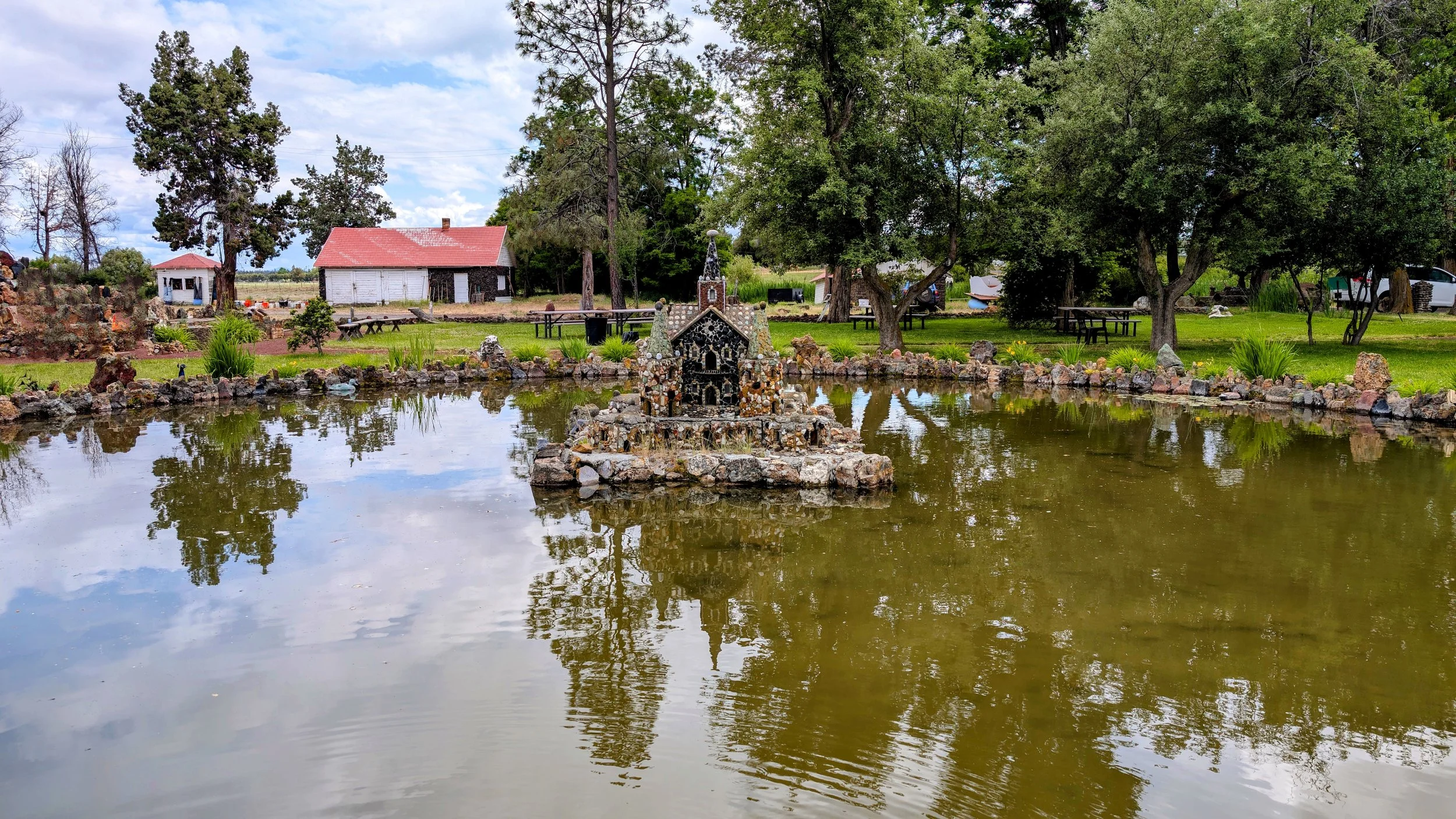
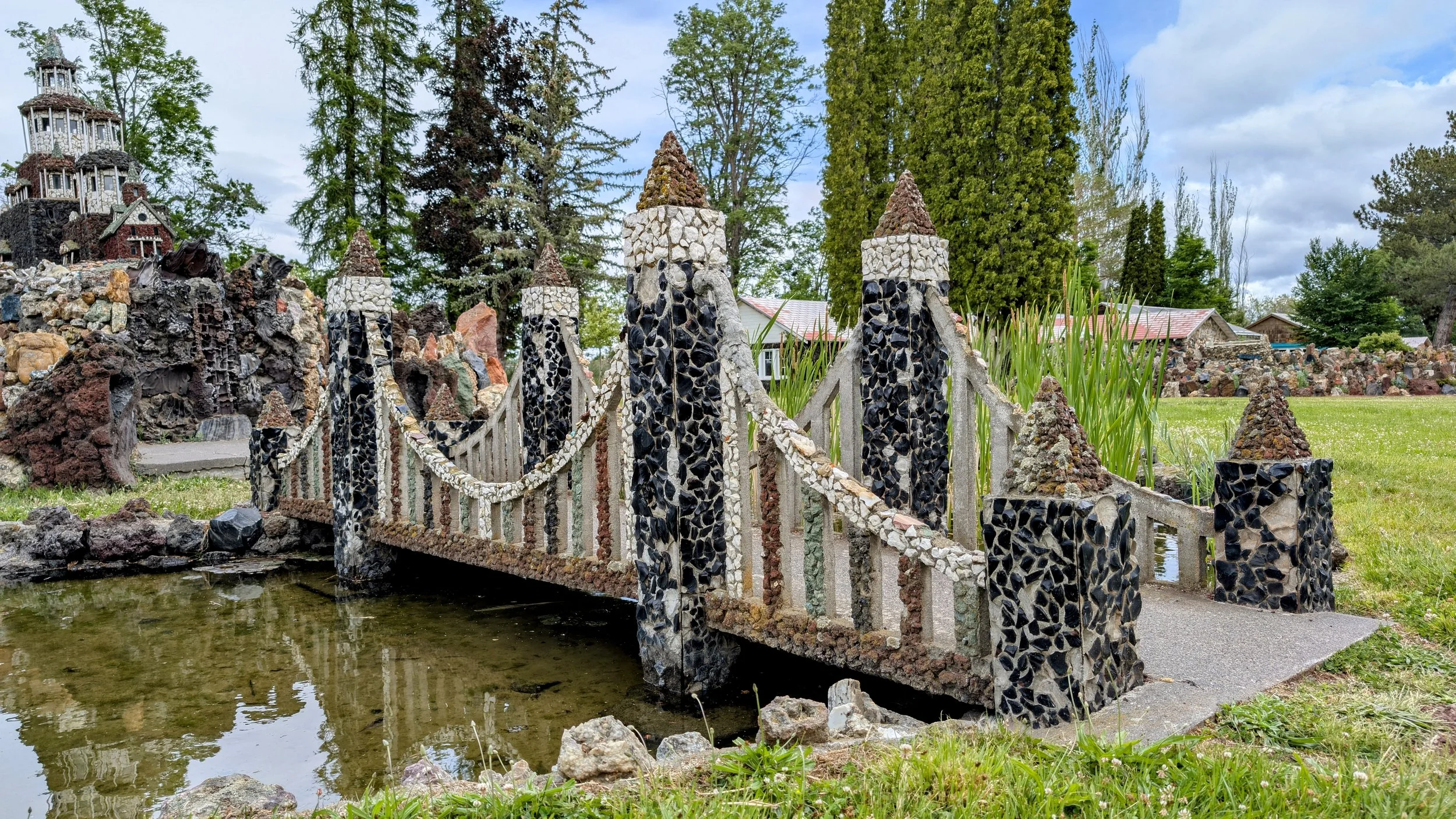
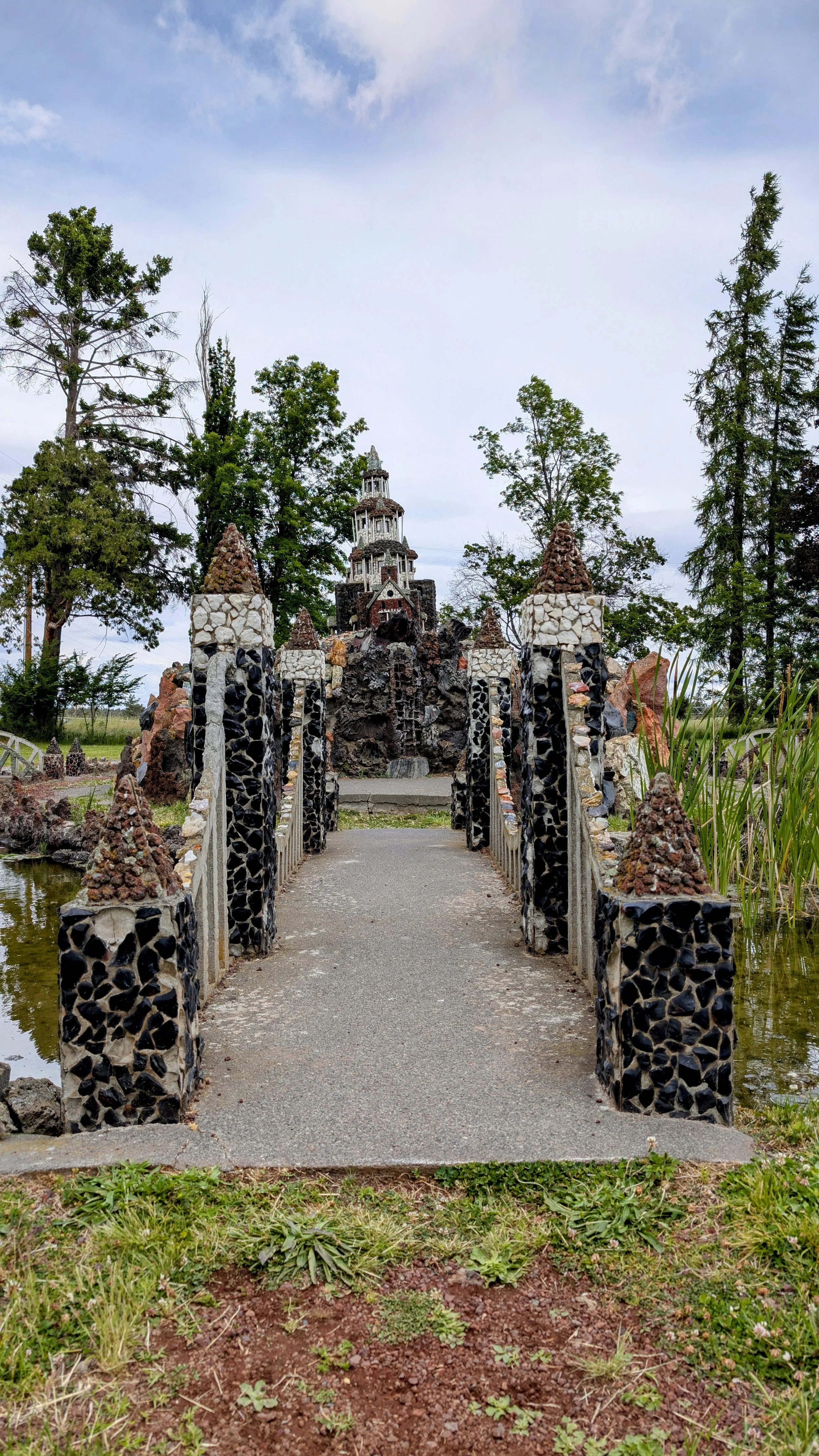
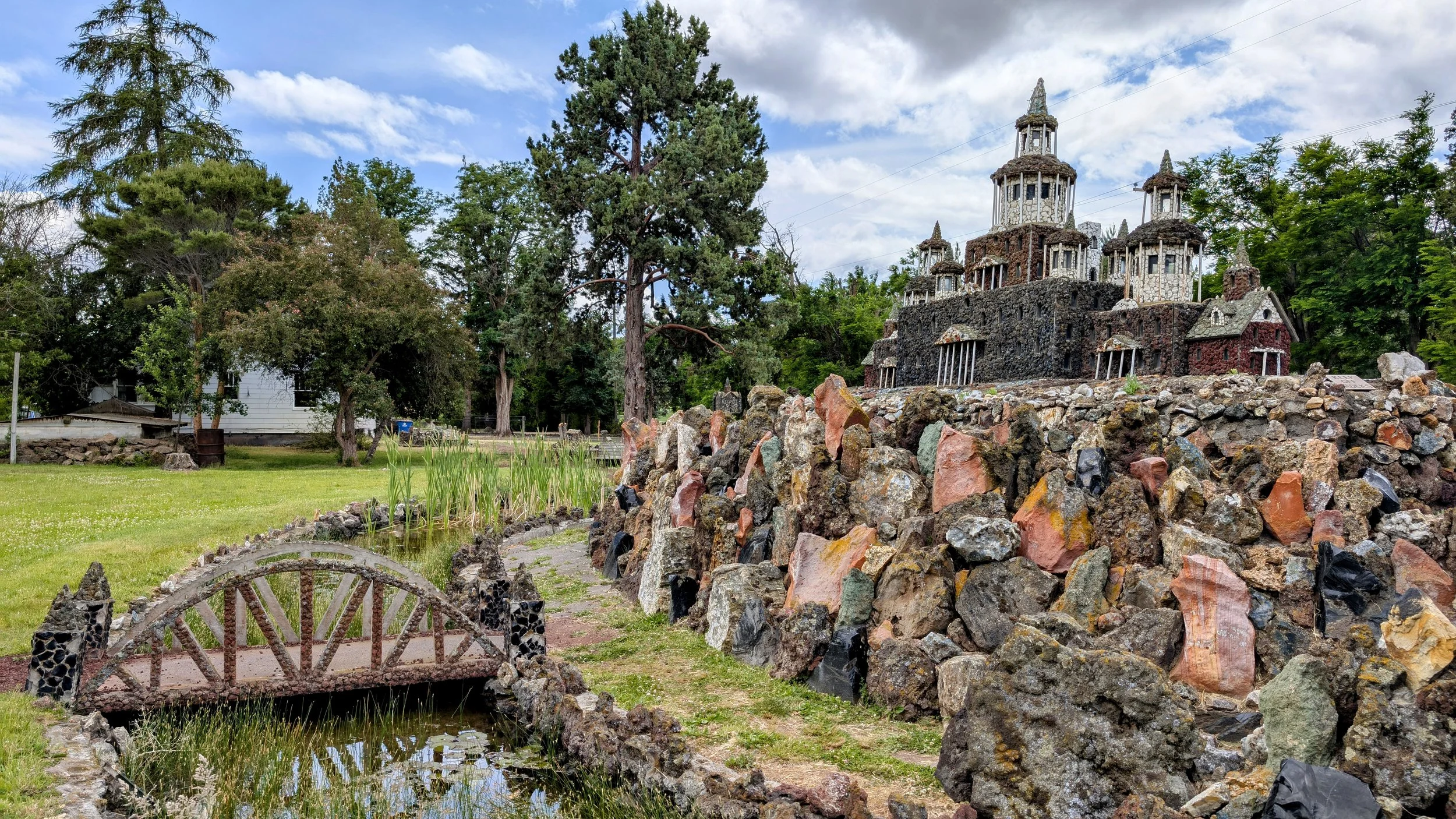
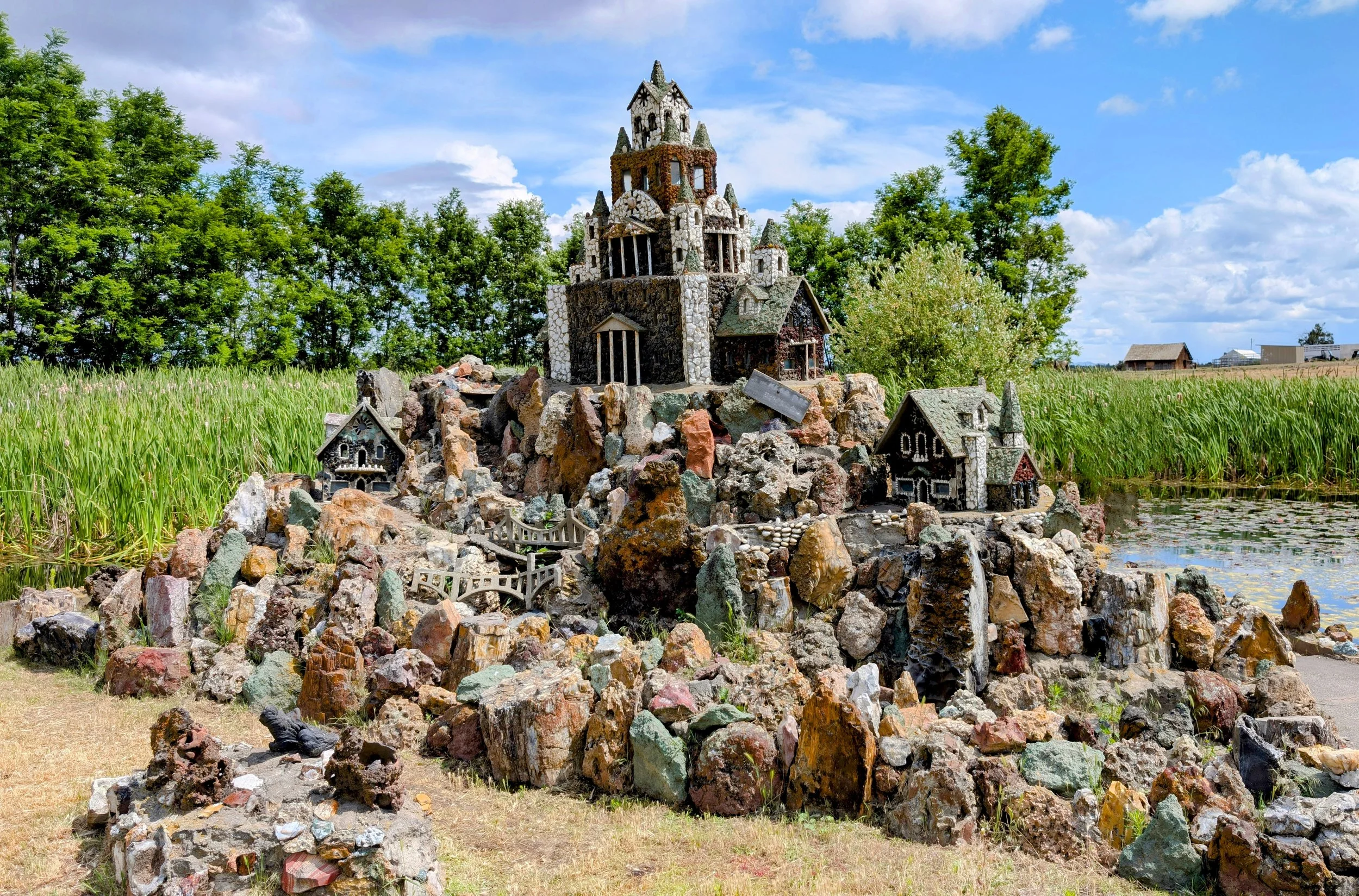
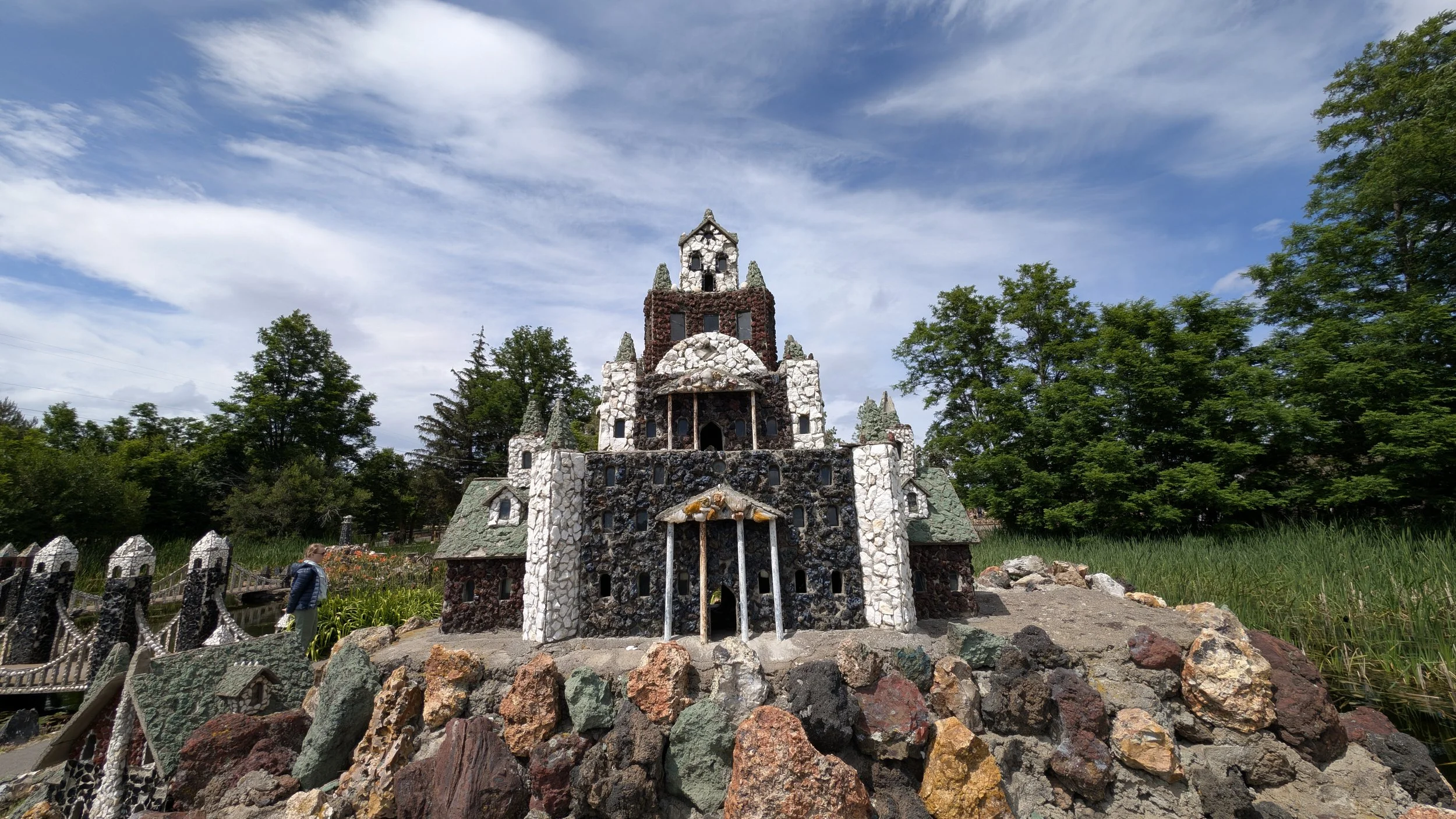
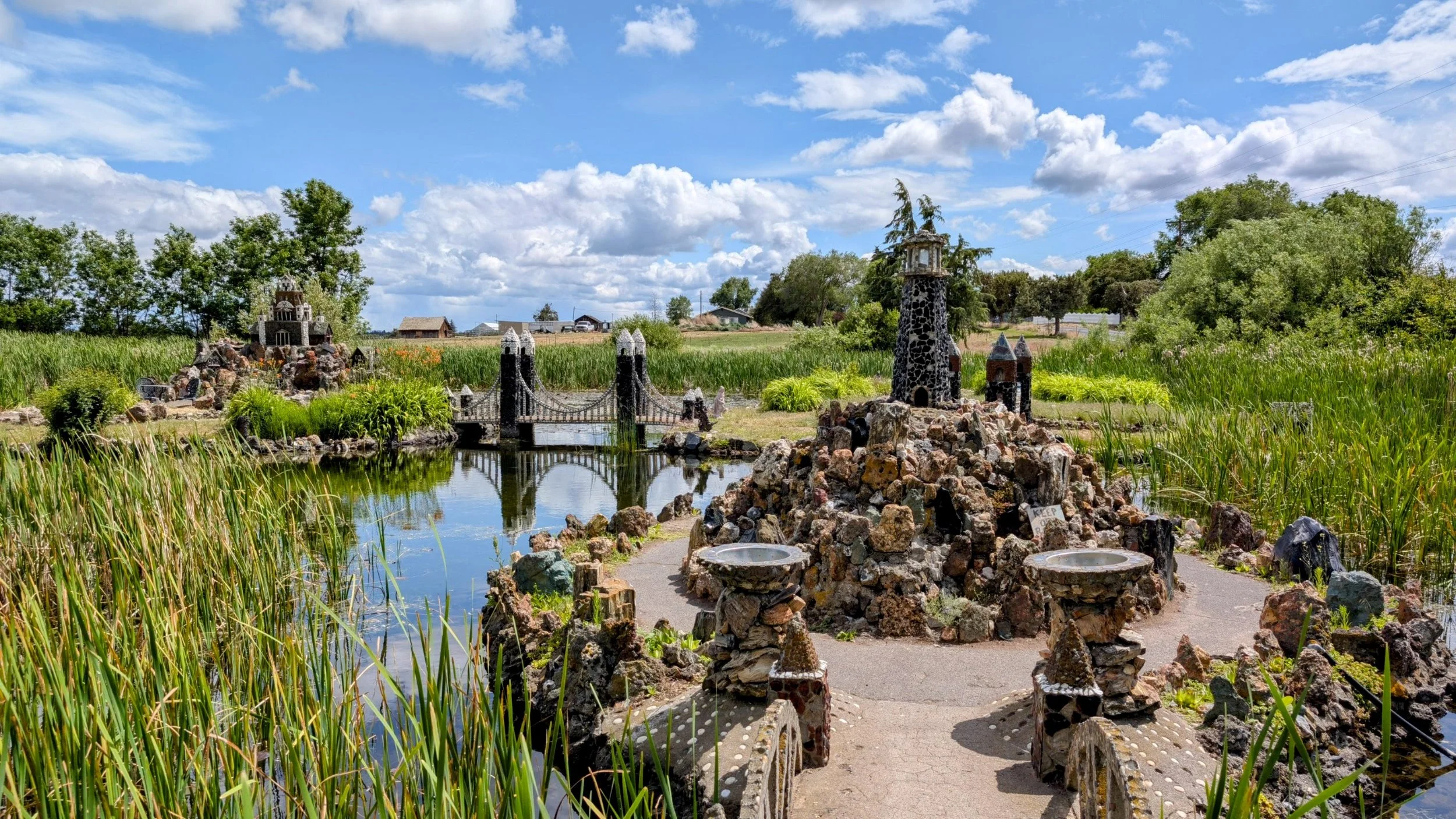
Discover the whimsical wonder of the Petersen Rock Garden, a four-acre landmark located between Redmond and Bend, Oregon. Hand-built by Danish immigrant Rasmus Petersen between 1935 and 1952, this unique folk art environment features an intricate miniature world of stone castles, bridges, and churches crafted from local minerals like agate, jasper, obsidian, and petrified wood. Listed on the National Register of Historic Places, the garden recently underwent a major restoration to preserve its "sense of wonder" for future generations. It is an incredible place to visit that you just can't adequately prepare for.
Hours of Operation
The Petersen Rock Garden is generally open year-round for day-use. Current specific operating hours and details regarding its recent reopening include:
Spring Break Hours: The garden is currently open daily from 10:00 am to 3:00 pm
Admission (Self-Guided Tours)
Free (a recommended $10 donation can be made in the Museum via cash, credit card, or Venmo.)
Equipment
Sunscreen
Comfortable shoes or sandals
Dress for the weather
Important Notes
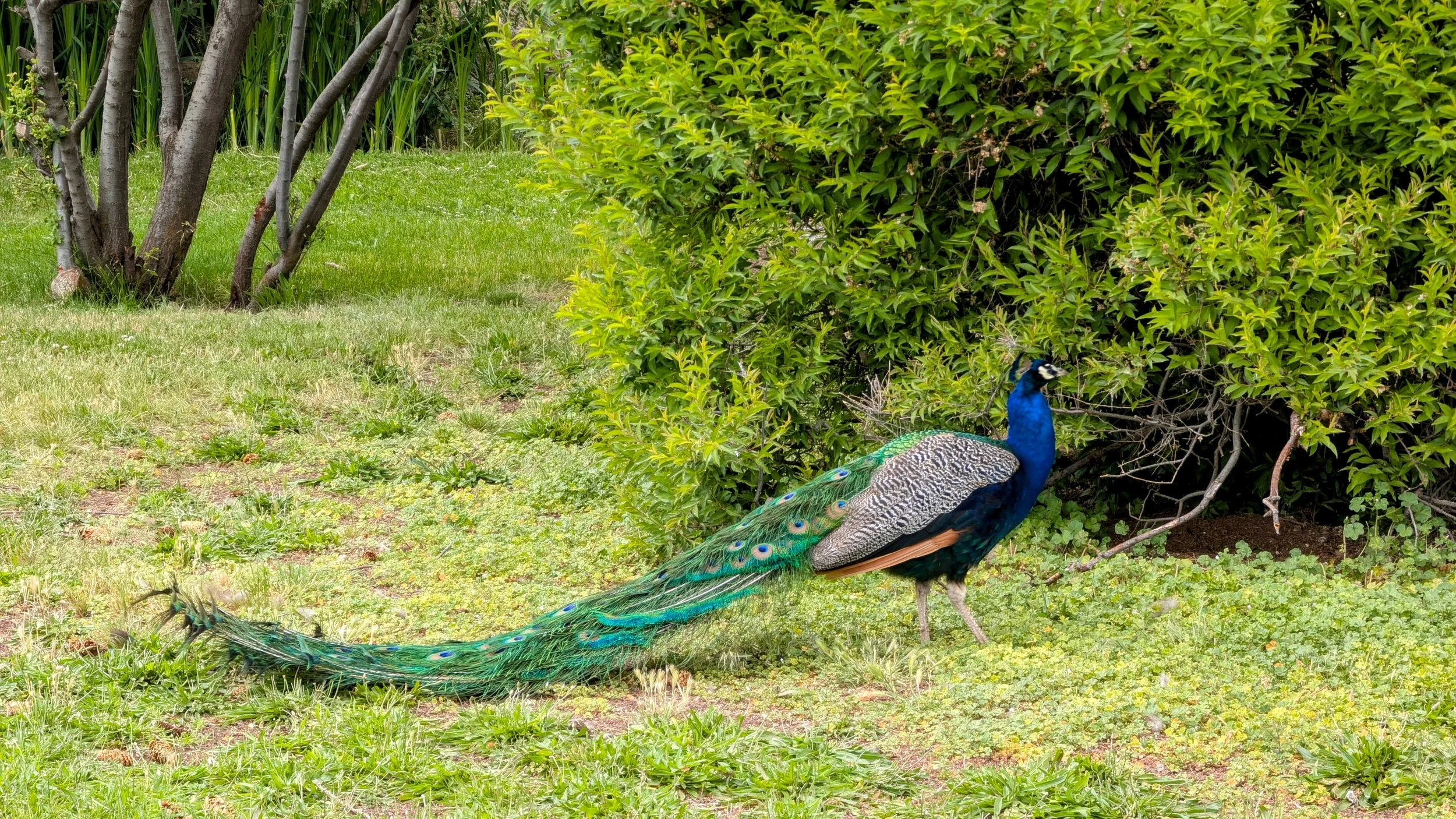
The garden is a designated Peacock Sanctuary where approximately 40 peacocks and pea hens roam freely throughout the four-acre grounds.
Dogs are permitted “ON leash” within the grounds. Leashes should be no more than 6 feet long. Someone must maintain control of any dog at all times. Any harassment of the animals (peacocks, chickens, etc.) will result in expulsion and possible fines or criminal charges due to the sanctuary status of the garden. Clean up after your pet.
Approach
From Redmond, Oregon: Take US-97 S out of Redmond for 5 miles. Turn right onto SW Quarry Ave. A little more than a mile in, you will make a right turn onto 61st St. Cross over S Canal Blvd and then continue to follow SW Quarry Ave. Turn left onto SW 77th St, then turn left into the Peterson Rock Garden and Museum driveway. Turn left into the parking area at the end of the driveway.
From Bend, Oregon: Take US-97 N for around 9 miles to SW 61st St. Turn left onto SW 61st St. Follow for 1 mile, then turn left onto SW Young Ave. Continue for 1 mile and turn right onto SW 77th St. Turn right into the Peterson Rock Garden and Museum driveway. Turn left into the parking area at the end of the driveway.
Historical Timeline
The history of the Petersen Rock Garden and Museum spans over a century, beginning with the arrival of a Danish immigrant and evolving into a preserved National Historic Site.
Early Years and Homesteading (1901–1934)
1901: Eighteen-year-old Rasmus Christian Petersen immigrates to the United States from Denmark.
1901–1905: He attends the Nysted Folk School in Nebraska, a Danish-American institution that likely influenced his cultural and communal values.
1905–1906: Petersen moves to Central Oregon and homesteads an initial 80-acre parcel.
1906–1935: He spends three decades building a successful irrigated farm, eventually expanding his land to over 250 acres.
1927: Petersen builds his primary residence, a substantial Craftsman bungalow, which later serves as the anchor for the period of historical significance.
Construction of the Rock Garden (1935–1952)
1935: During the Great Depression, Petersen begins constructing the first rock monuments using materials found while clearing his fields.
Early 1940s: He begins selling off his farmland to focus on the garden, eventually retaining only 12 acres.
1940: Petersen officially retires from farming to devote his full energy to the rock garden.
1941: The Museum is completed to house his growing collection of rare rock and mineral specimens.
1952: Rasmus Petersen passes away at his stone fireplace inside the museum, leaving behind a four-acre "folk art environment" comprised of miniature castles, bridges, and towers.
Mid-Century Growth and Stewardship (1953–2010)
Post-1952: Petersen’s family takes over management and continues to operate the site as a tourist attraction.
1950s–1970s: The gardens reach a peak in popularity; at one point, records indicate the site drew approximately 250,000 visitors annually.
1960s: During this era, the property featured colored lights and swan boats on the ponds.
1976: The Oregon State Historic Preservation Office officially records the site for the state inventory.
Preservation and National Recognition (2011–Present)
2011: Due to a lack of maintenance and a deteriorating physical state, the garden is named one of Oregon’s "Most Endangered Places."
2012: After a contractor accidentally damages a stone bridge, preservationists conduct a 3D laser scan to record the property's structures for future restoration.
October 30, 2013: The Petersen Rock Garden is officially listed on the National Register of Historic Places.
2022: The property is sold to a new family after being held by the Petersen heirs for 70 years.
2025: The site is selected as the winner of a $20,000 renovation grant from Webfoot Home Improvement’s "Project Serious."
February 2026: The museum closes for interior renovations, including new flooring and updated displays.
April 4, 2026: A grand reopening celebration is held to showcase the restored museum and the new "glow room" featuring fluorescent minerals.
Notable Structures
The Petersen Rock Garden features an extensive collection of handmade folk art structures and historical buildings spread across its four-acre grounds. These constructions are primarily made from local volcanic and river rocks, semi-precious stones, and minerals.
Miniature Artistic Replicas and Monuments
Castles and Towers: The garden is renowned for its intricate miniature castles, some of which are built on islands within the property's ponds.
Patriotic Symbols: Notable replicas include a miniature Statue of Liberty surrounded by piles of rock and a concrete American Flag. There is also a replica of the White House crafted from lava rock.
Village Vignettes: Petersen constructed entire vignettes resembling mountain villages, complete with miniature churches, cottages, public buildings, and peasant houses.
Inscribed Messages: The garden includes two written messages juxtaposed with patriotic imagery: “God Bless America” and “Enjoy Yourself. It is Later Than You Think.”
Bridges and Landscape Features
Stone Bridges: Numerous stone and rock bridges traverse the property, leading visitors over lily ponds and dry pond beds.
Ponds and Moats: The landscape includes several ponds and moats designed to hold water and goldfish once irrigation is active. Historically, these featured swan boats for visitors.
Stone Cook Stoves: There are two stone outdoor cook stoves located on the site.
Functional and Historical Buildings
The Museum: This building houses a massive collection of rare rock and mineral specimens. It features a stone fireplace where Rasmus Petersen famously passed away in his wicker chair.
The Fluorescent Room (Glow Room): Located within the museum, this room displays miniature glowing castles and minerals that illuminate under black light. Recent renovations added a brand-new black light floor with UV fluorescent chips.
Petersen’s Residence: A substantial 1927 Craftsman bungalow serves as the historic anchor for the property.
Homestead Outbuildings: Other functional structures on the site include an ice house, a pump house, a root cellar, a cistern, a shed, and bird pens.
Summary
Peterson Rock Garden and Museum was something we did not expect. Despite the pictures online, the reviews, and the email communications with the museum, we were not prepared for what we actually experienced. It is a monumental testament to someone who created something unique, wonderful, and impressive. Words prove difficult when I try to describe what it's truly like to see these beautiful structures. The mind struggles to understand how so much time, patience, and attention to detail could be devoted to such imaginative and challenging structures. It is an inspiring monument to passion and perseverance. The peacocks were an added bonus. This location is a must-see, and I cannot recommend making the trip to Redmond just for this.
The surrounding area is gorgeous and has a lot of other fun activities, such as:
Smith Rock State Park
High Desert Museum
Lava Butte Lookout
Newberry National Volcanic Monument
Lava River Cave