Bayhorse Ghost Town
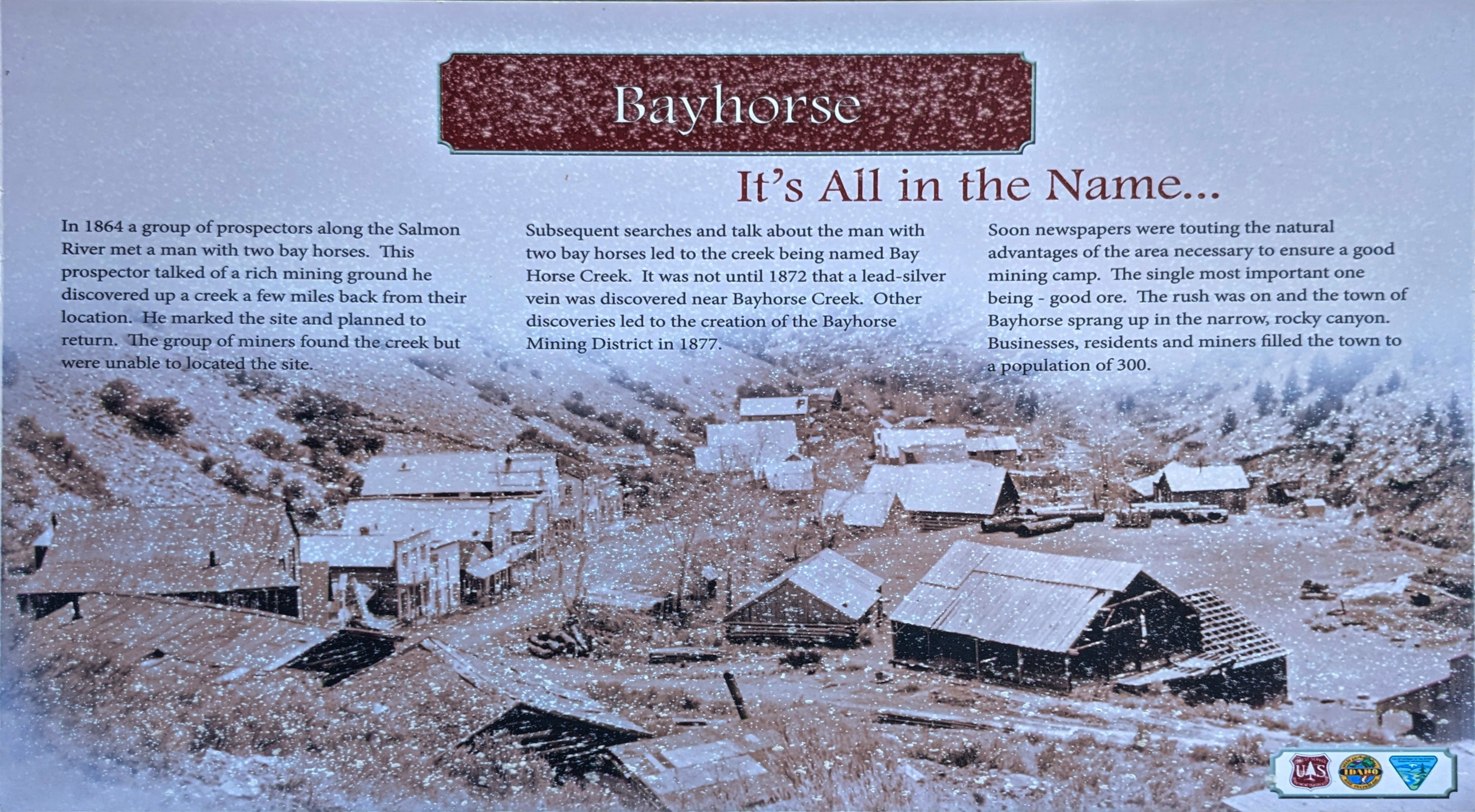
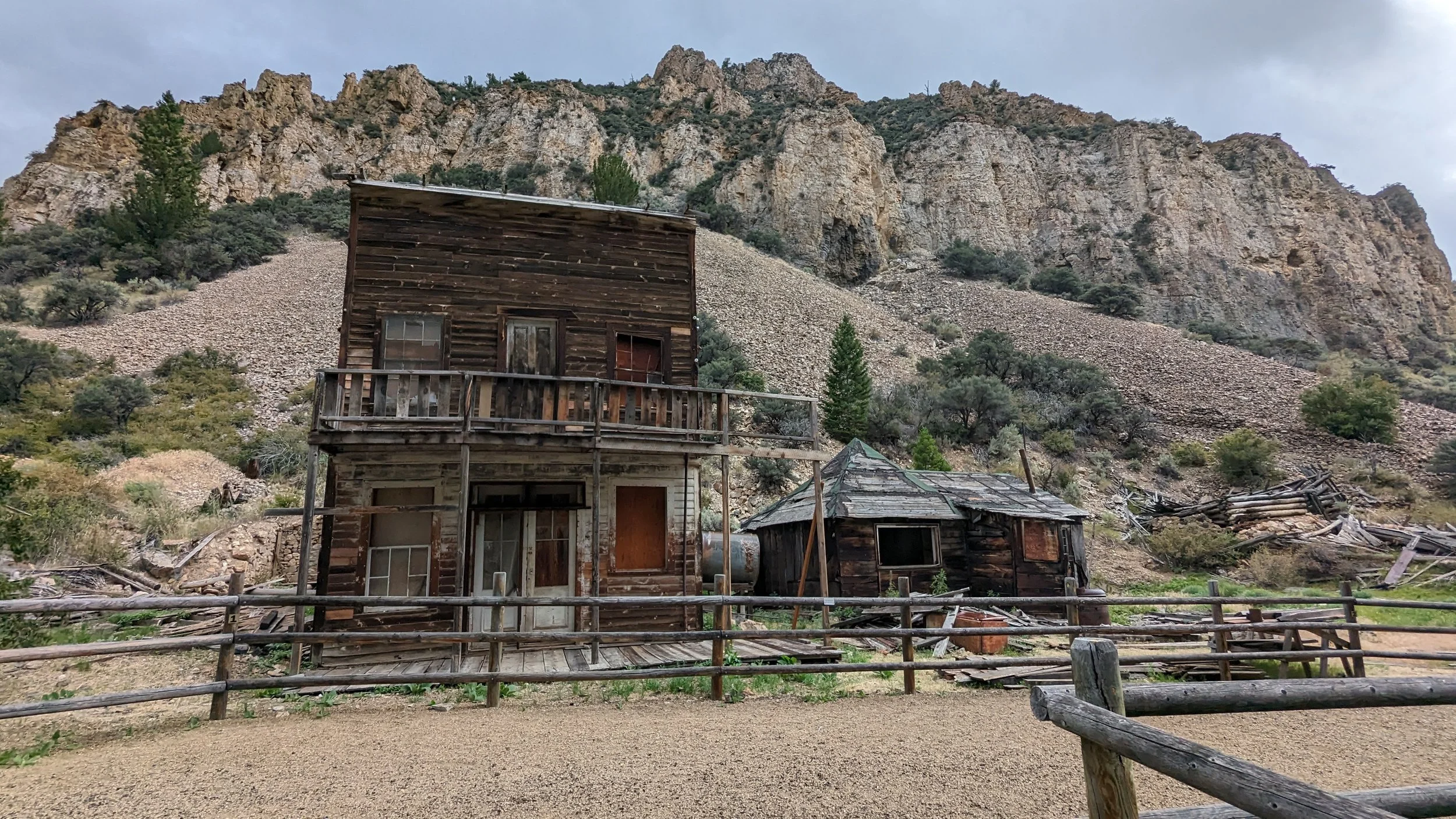
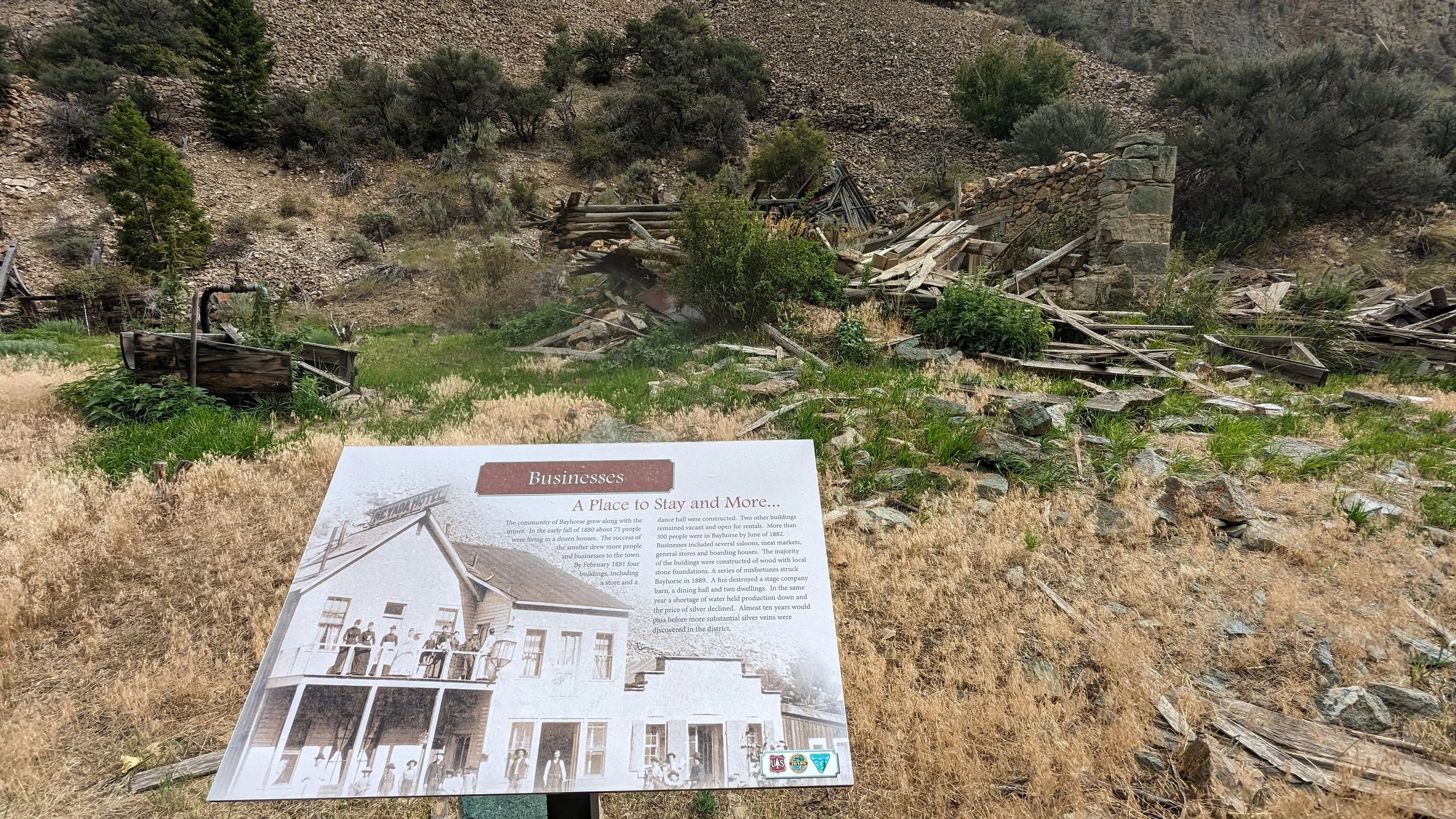
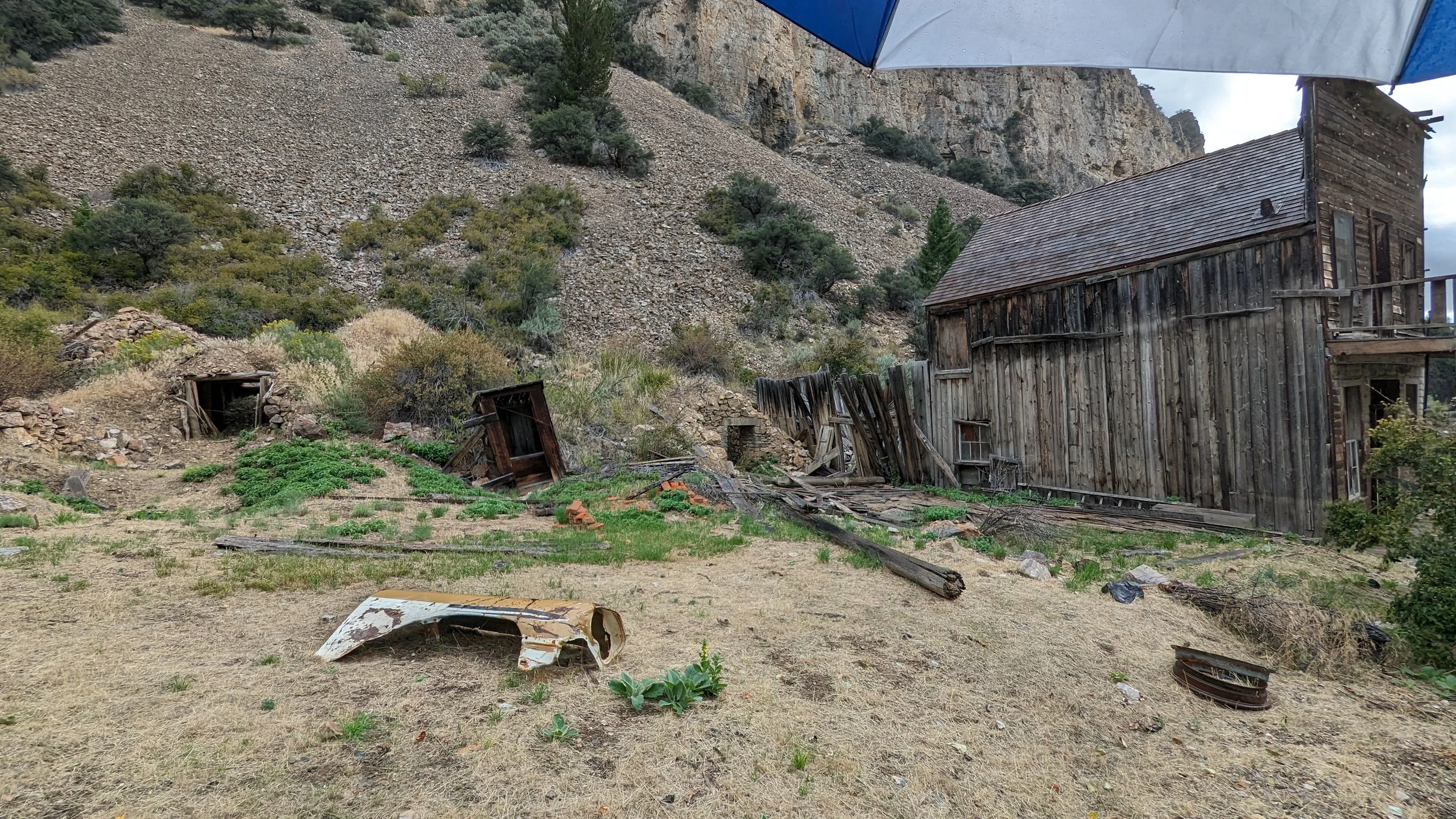
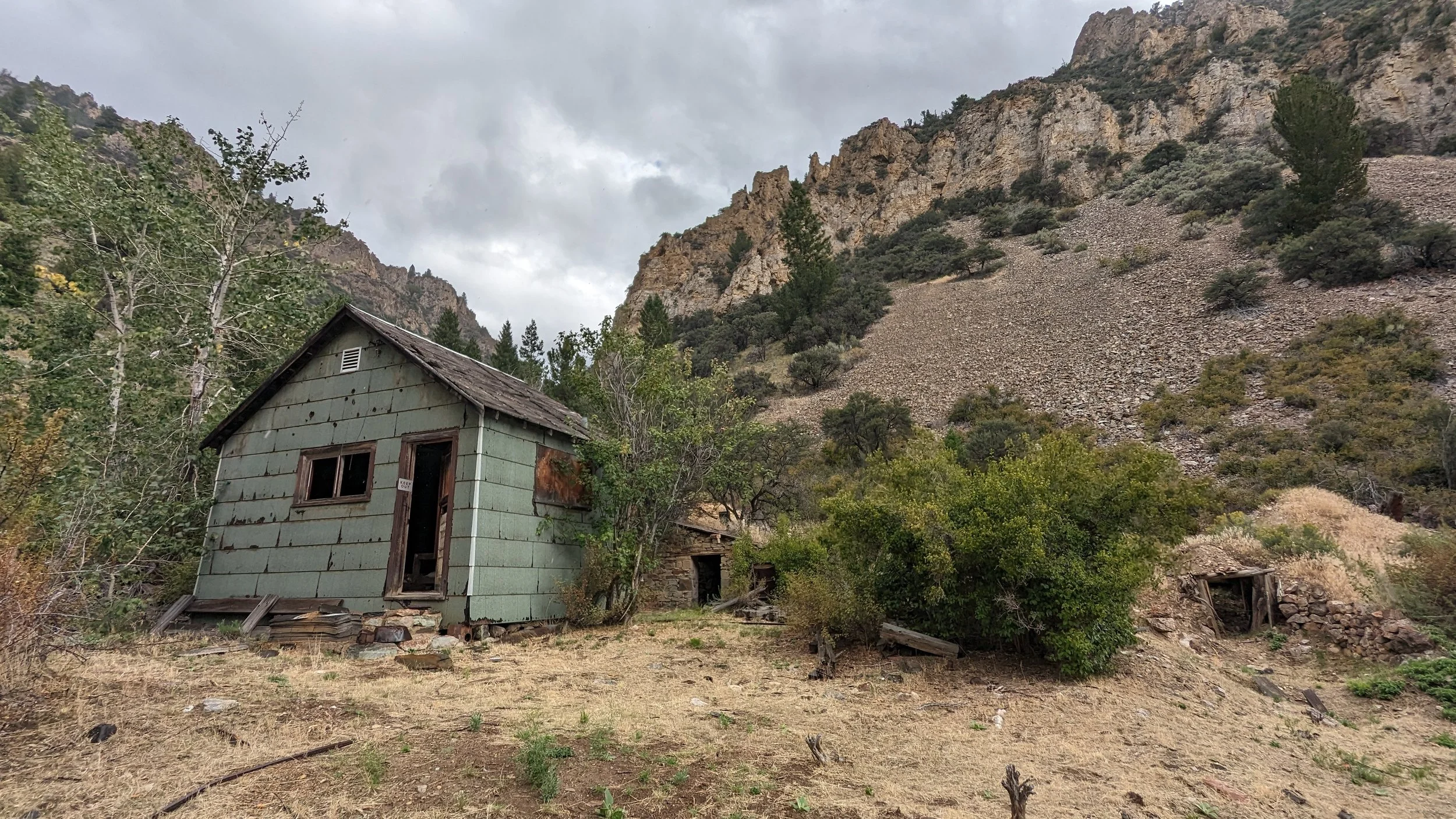
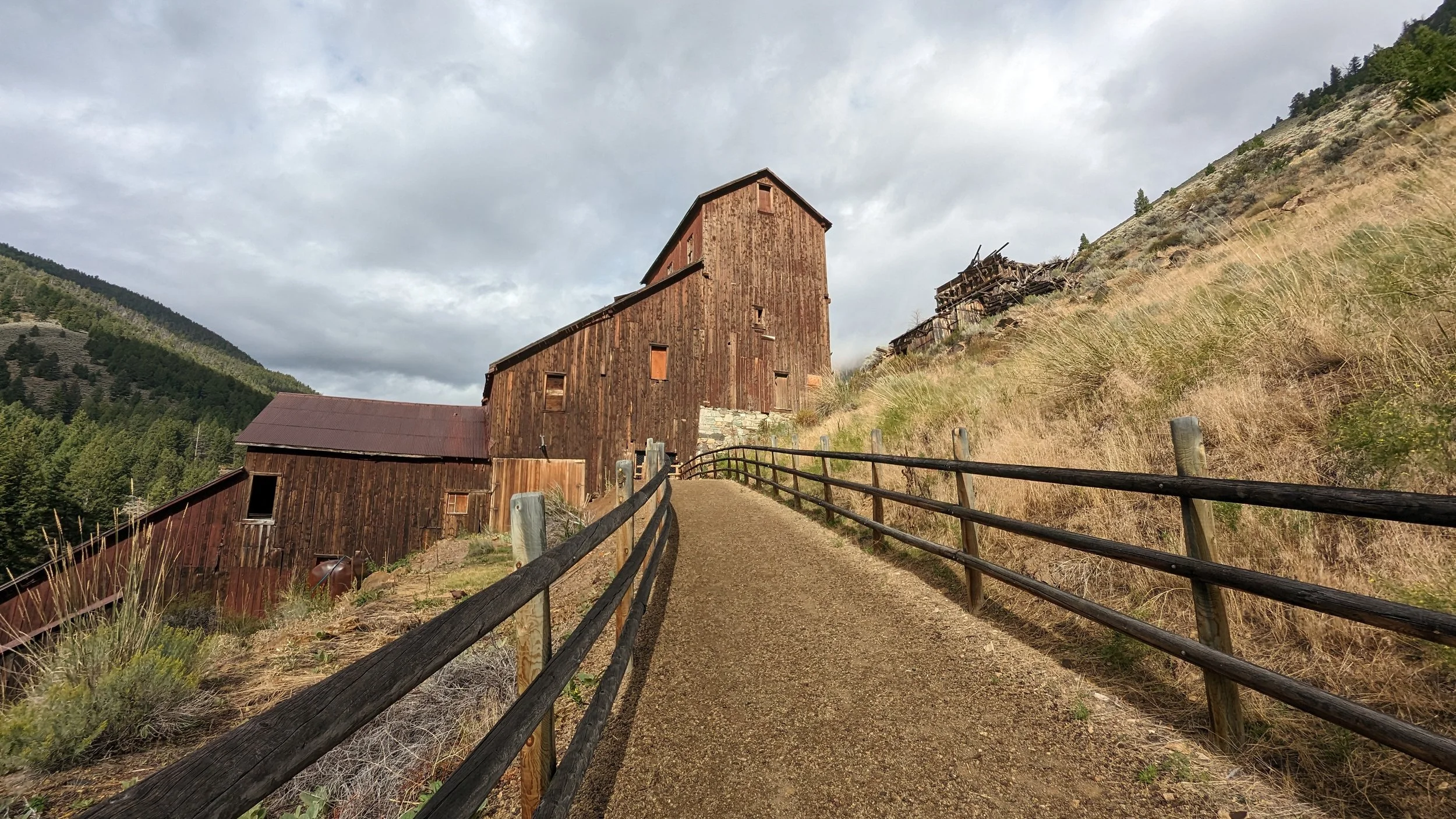
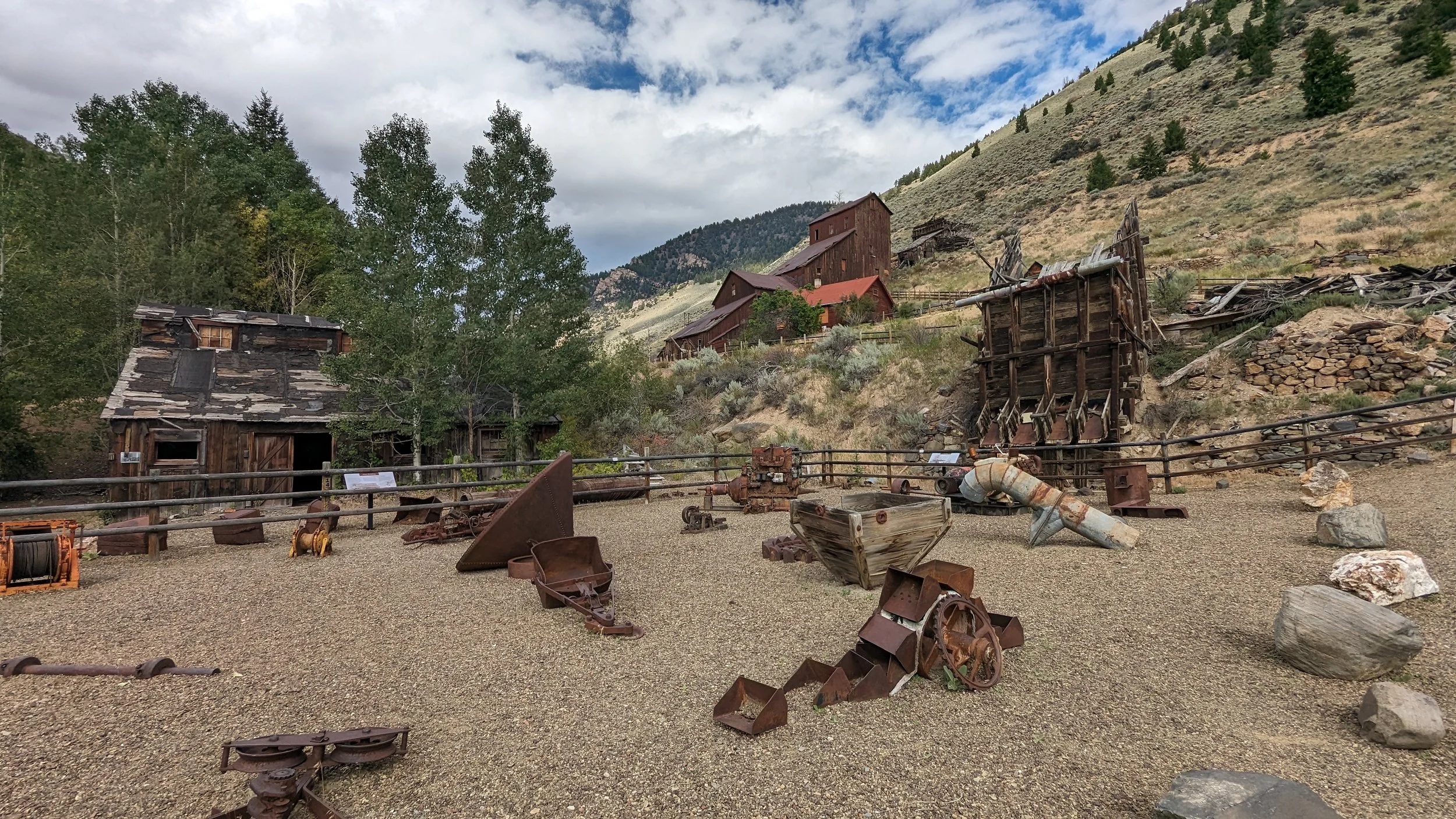
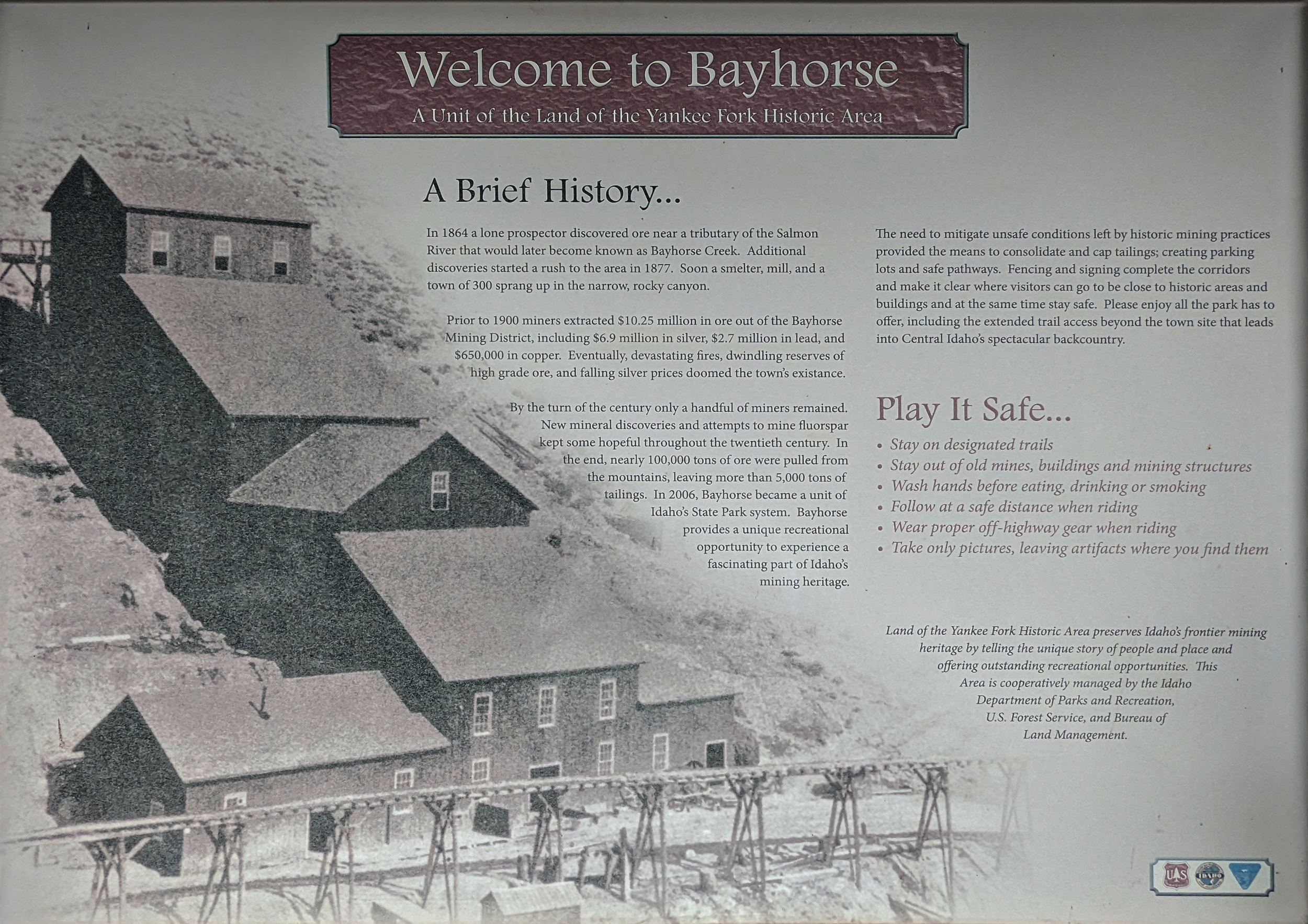
The Bayhorse Historic District, nestled within a narrow, deep canyon next to Bayhorse Creek in Custer County, Idaho, stands as one of the state’s better-preserved 19th-century mining camps. Founded in 1877 on the promise of a significant lead-silver property, the town expanded rapidly after 1880, reaching a peak population of between 300 and 500 residents and ultimately producing about $10,000,000 in wealth by 1898. The complex mining operation centered on the Ramshorn mine and featured critical industrial infrastructure, including a powerful smelter (once producing eighty tons of bullion monthly), an aerial tramway for ore transport, and the impressive Gilmer and Salisbury Stamp Mill. However, Bayhorse's boom ended abruptly in late 1889 following a fire and an unfavorable government ruling on silver lead ores, causing the smelter to close and the town to become "practically deserted" within two weeks. Compounded by declining silver prices and the high costs of shipping ore from the isolated canyon, all remaining operations ceased by 1915. Today, the site is managed as part of the Land of the Yankee Fork State Park, preserving structures like original log cabins, the mill site, and several intact beehive charcoal kilns for visitors to experience the history of this typical, though isolated, central Idaho mining town.
Hours of Operation
Typical Hours of Operation:
The ghost town is typically open daily from 9:00 am to 5:00 pm.
Since the site is managed by Idaho State Parks, there is a gate that closes off the town after-hours.
Seasonal Closure:
Bayhorse is subject to seasonal closures, generally closing for the winter. According to a park update, the Bayhorse Ghost Town CLOSED for the season on October 15, 2025.
The Land of the Yankee Fork Interpretive Center (located nearby in Challis, Idaho) operates on a different schedule:
The Interpretive Center is open Wednesday through Sunday, from 8:30 am to 4:30 pm.
The Interpretive Center is CLOSED on Mondays and Tuesdays.
Admission (Self-Guided Tours)
Free
Equipment
Sunscreen
Comfortable shoes or sandals
Dress for the weather
Water Bottle
Approach
From Challis, Idaho: Take US-93 S out of Challis for 2 miles. Turn right onto ID-75 S and follow for 8 miles. Turn right onto Centenial Flat Rd, then turn left onto Bayhorse Creek Rd. Follow Bayhorse Creek Rd for a little more than 3 miles. Turn right into the parking area.
From Stanley, Idaho: Head east on ID-21. At the T-intersection, turn left and head north on ID-75 N for 47 miles. Turn left onto Centenial Flat Rd, then turn left onto Bayhorse Creek Rd. Follow Bayhorse Creek Rd for a little more than 3 miles. Turn right into the parking area.
Historical Timeline
Discovery and Boom Era (1877–1889)
The history of Bayhorse began in 1864 with initial inspections by prospectors, followed by a claim being located in 1872. However, active development commenced in March 1877 after a lead-silver property was discovered. That same spring, a party from Bonanza located the Ramshorn mine, which became the district's major producer. The area quickly organized as a mining district in October 1877.
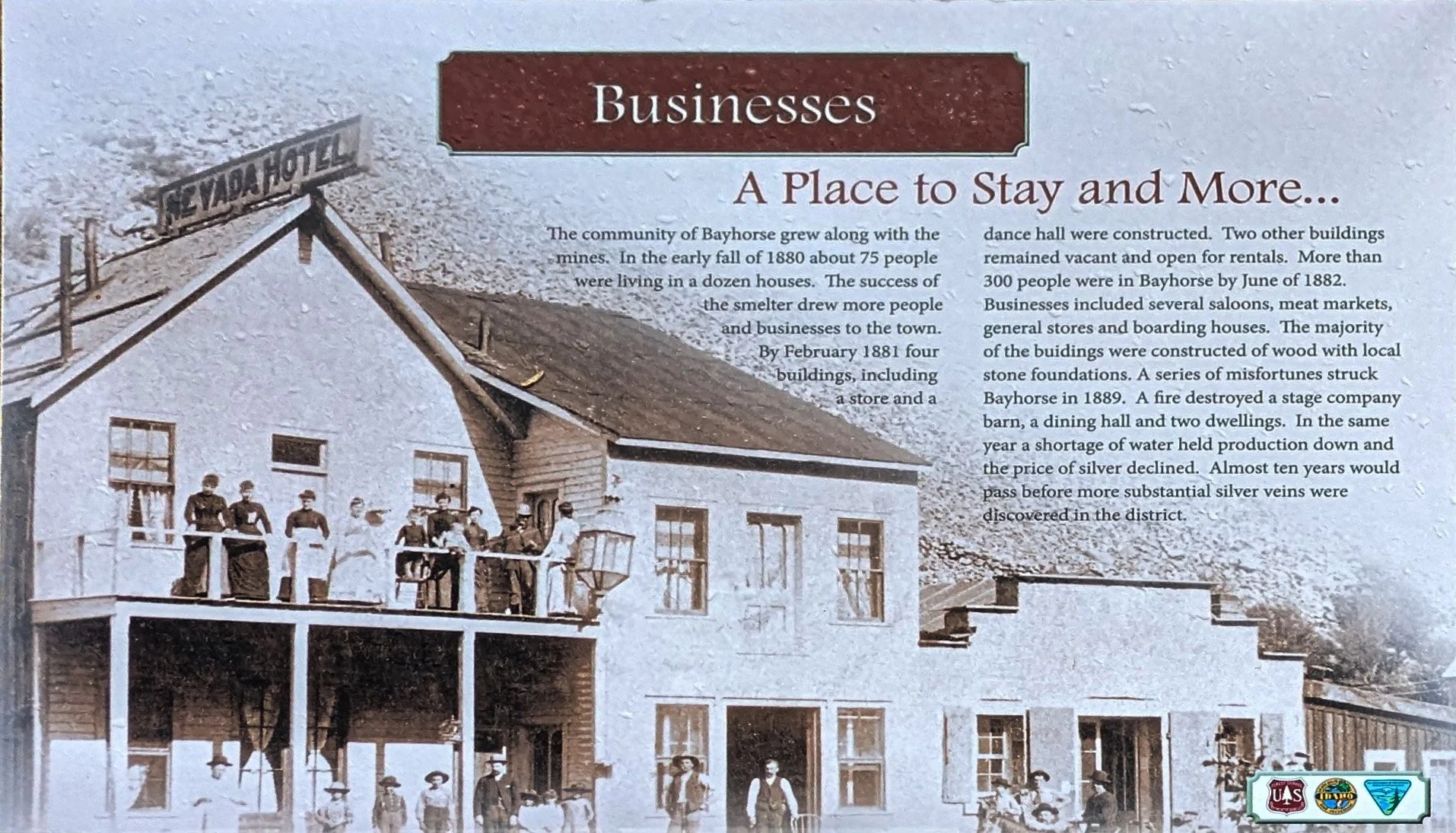
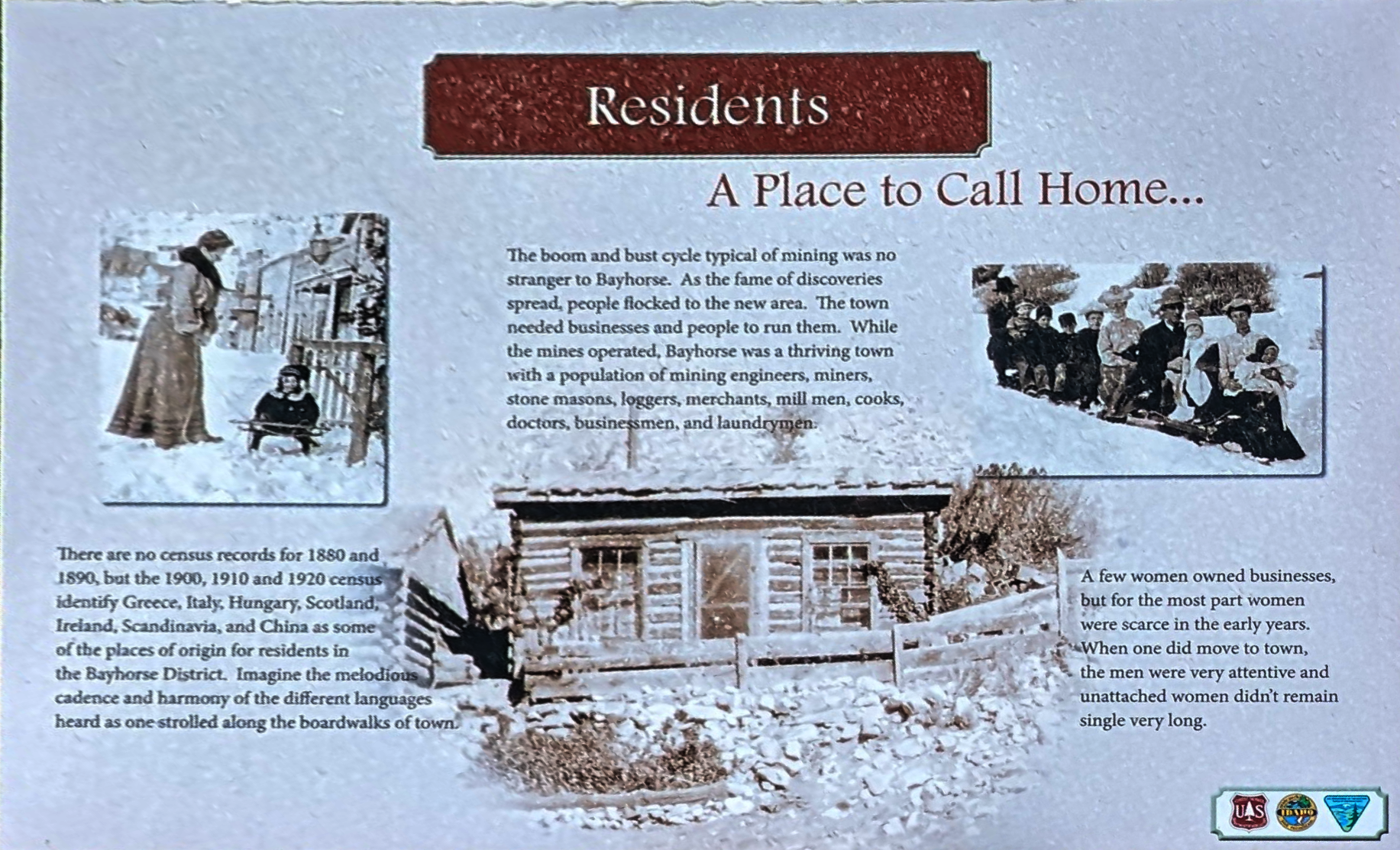
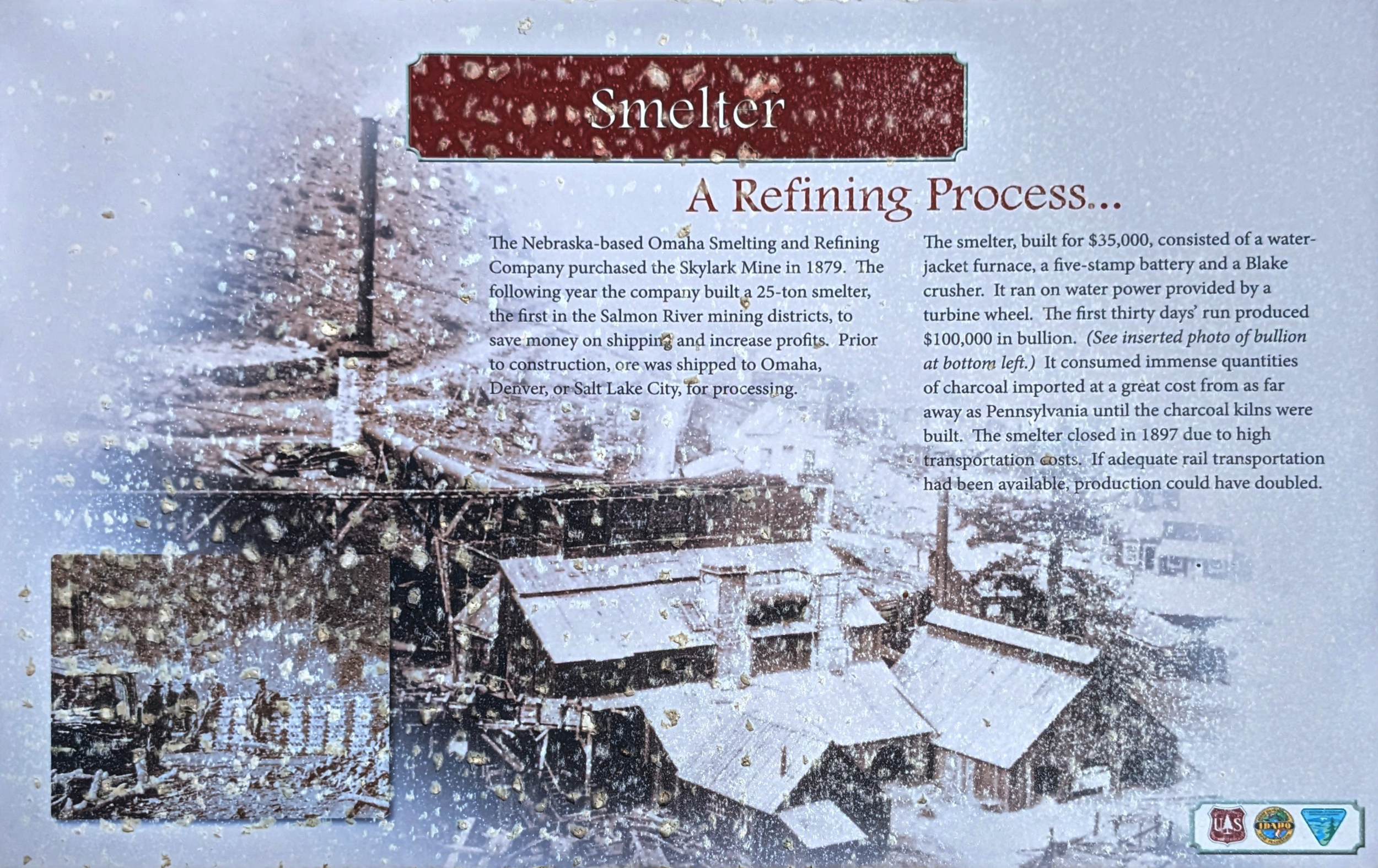
The town experienced a "great expansion" after 1880. By 1880, Bayhorse already featured a water-propelled smelter capable of handling over 30 tons of ore daily, as well as a sawmill. The town grew rapidly, reaching a peak population of between 300 and 500 people, necessitating multiple stores, saloons, a hotel, and a restaurant. By 1885, steam power was introduced to boost production, and the Bayhorse Smelter was successfully producing silver bullion, which was later refined into pure silver bars after a refinery was installed that December. By 1898, the Bayhorse district had produced about $10,000,000 in wealth.
Decline and Abandonment (1889–1915)
The boom came to a sudden halt in 1889. A fire caused destruction in May of that year. Then, in November 1889, due to Secretary Windom's ruling on Mexican silver lead ores, the smelter ceased operations, and the town became "practically deserted" within two weeks, leaving over three hundred men unemployed.
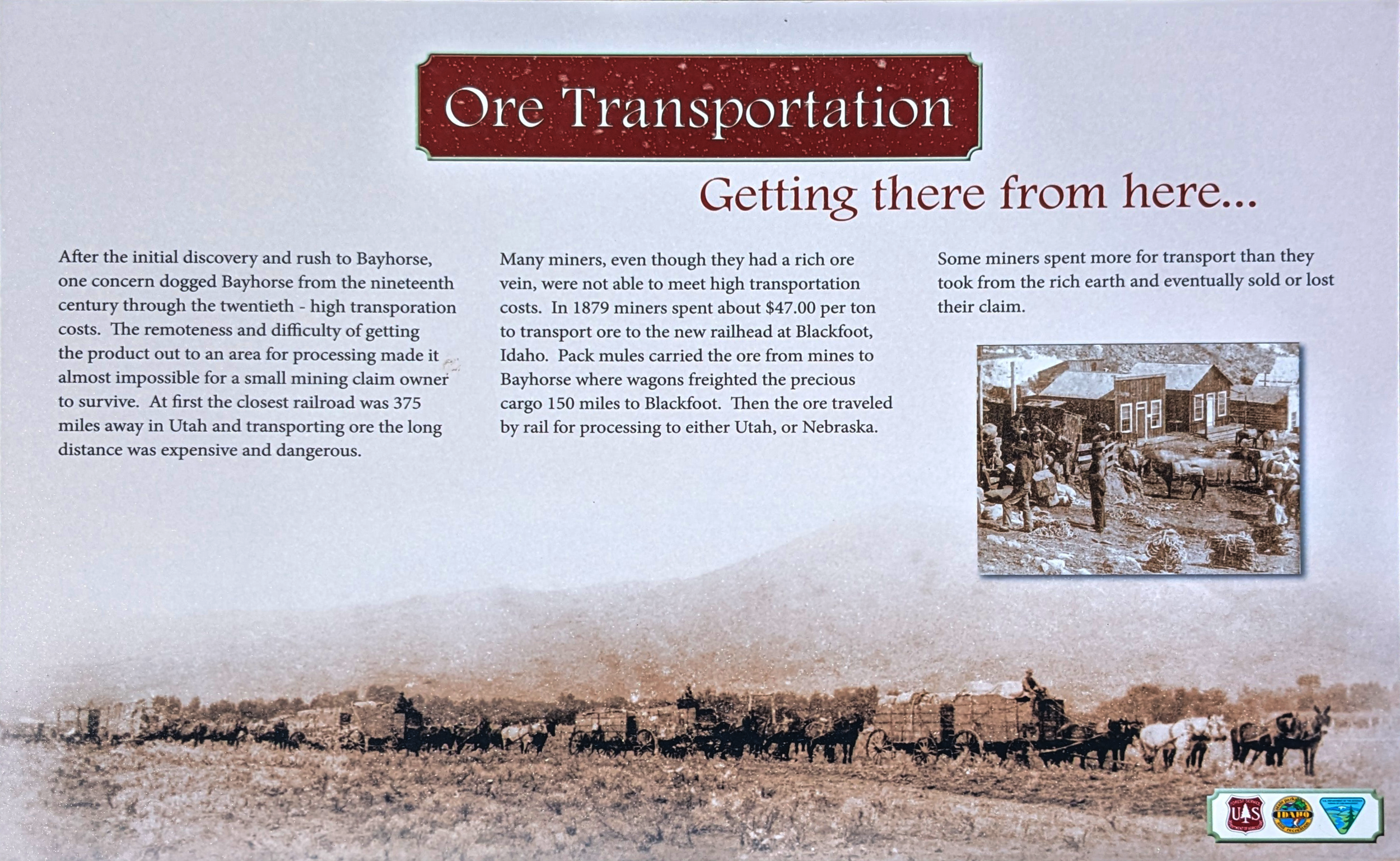
Although small operations persisted into the early 1900s, declining silver prices and the high cost of shipping ore to distant smelters made operations unsustainable. The smelter was dismantled and removed by 1897. By 1915, all mining operations ceased, and Bayhorse descended into ghost town status.
Modern Preservation
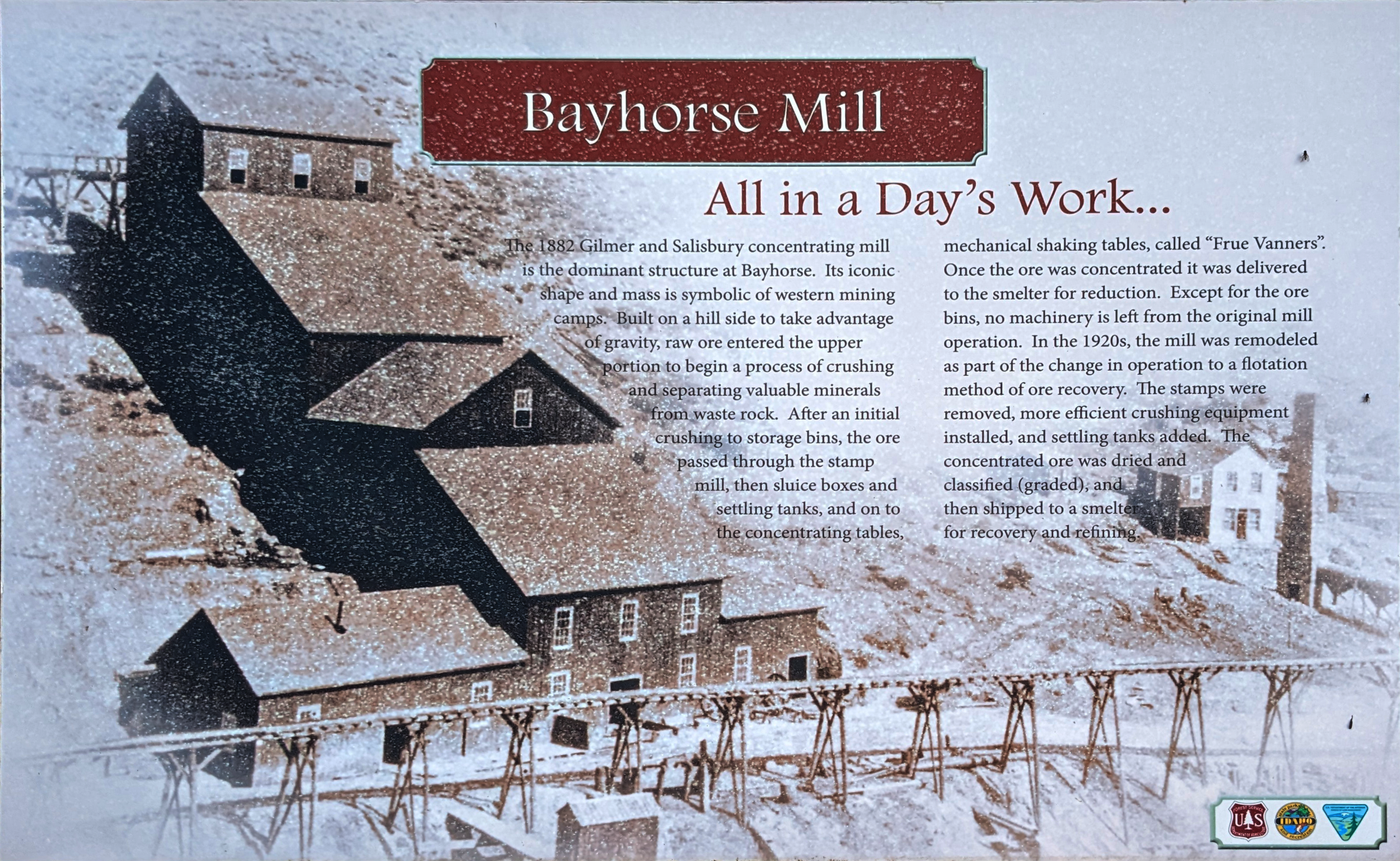
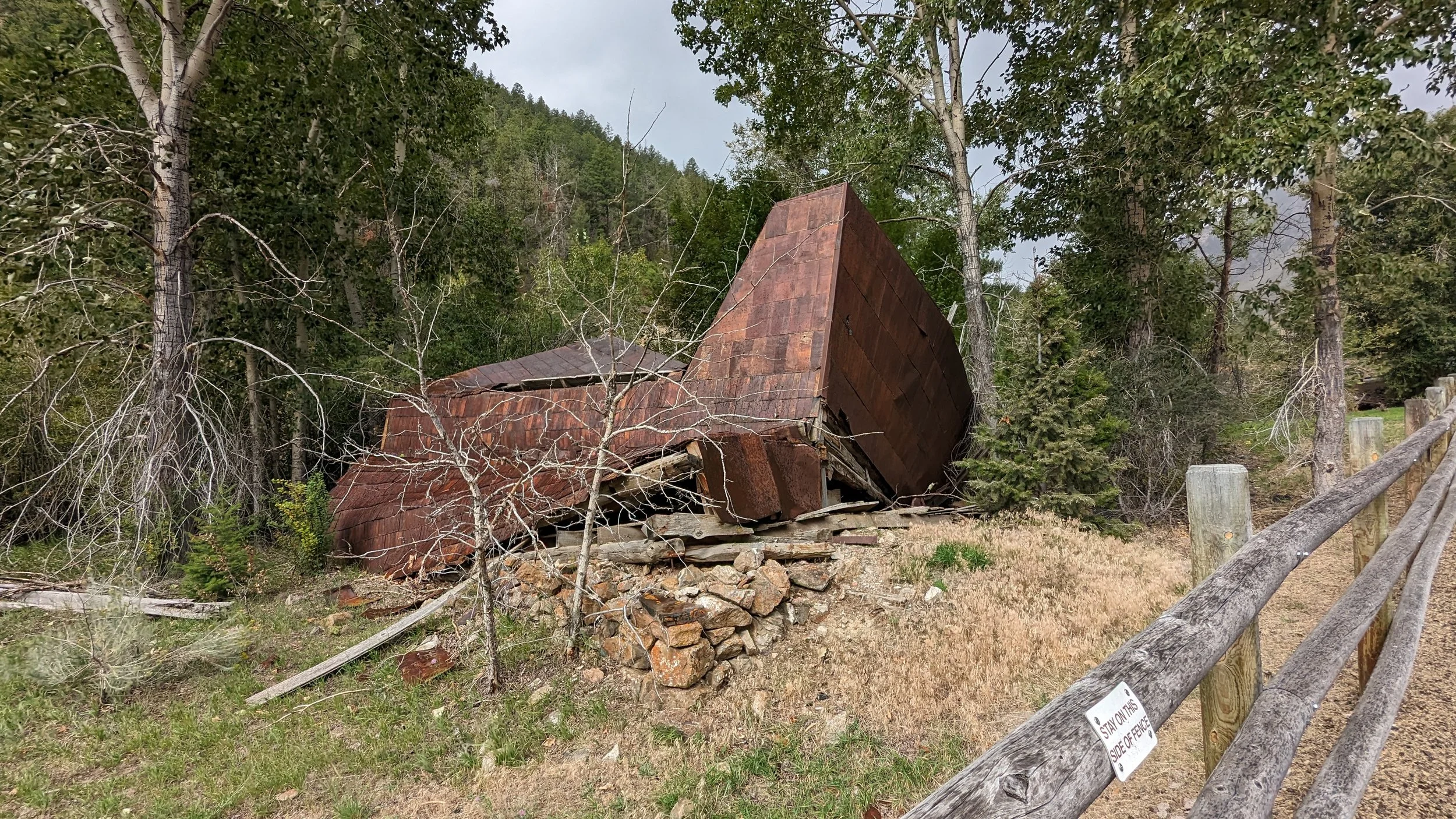
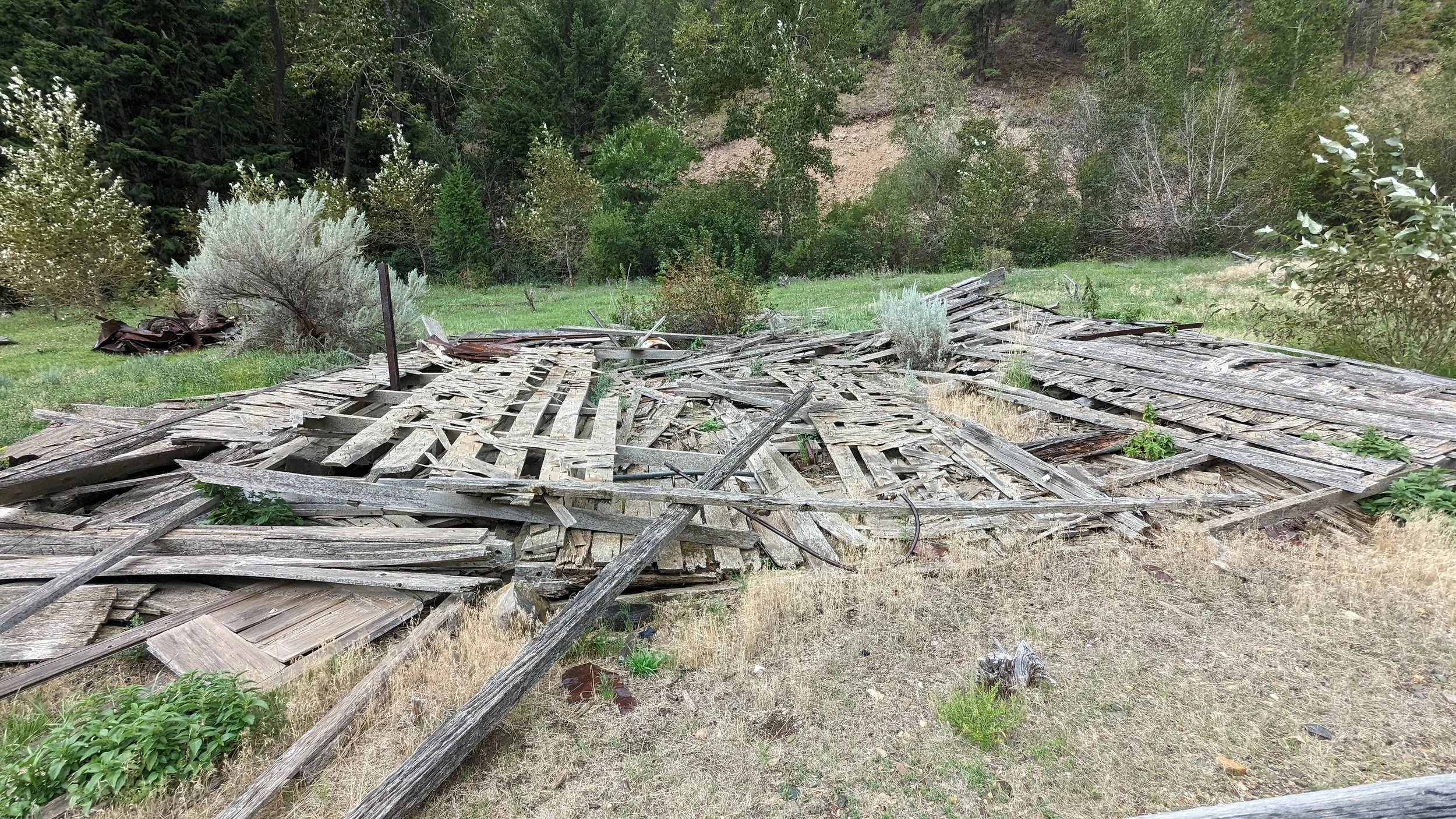
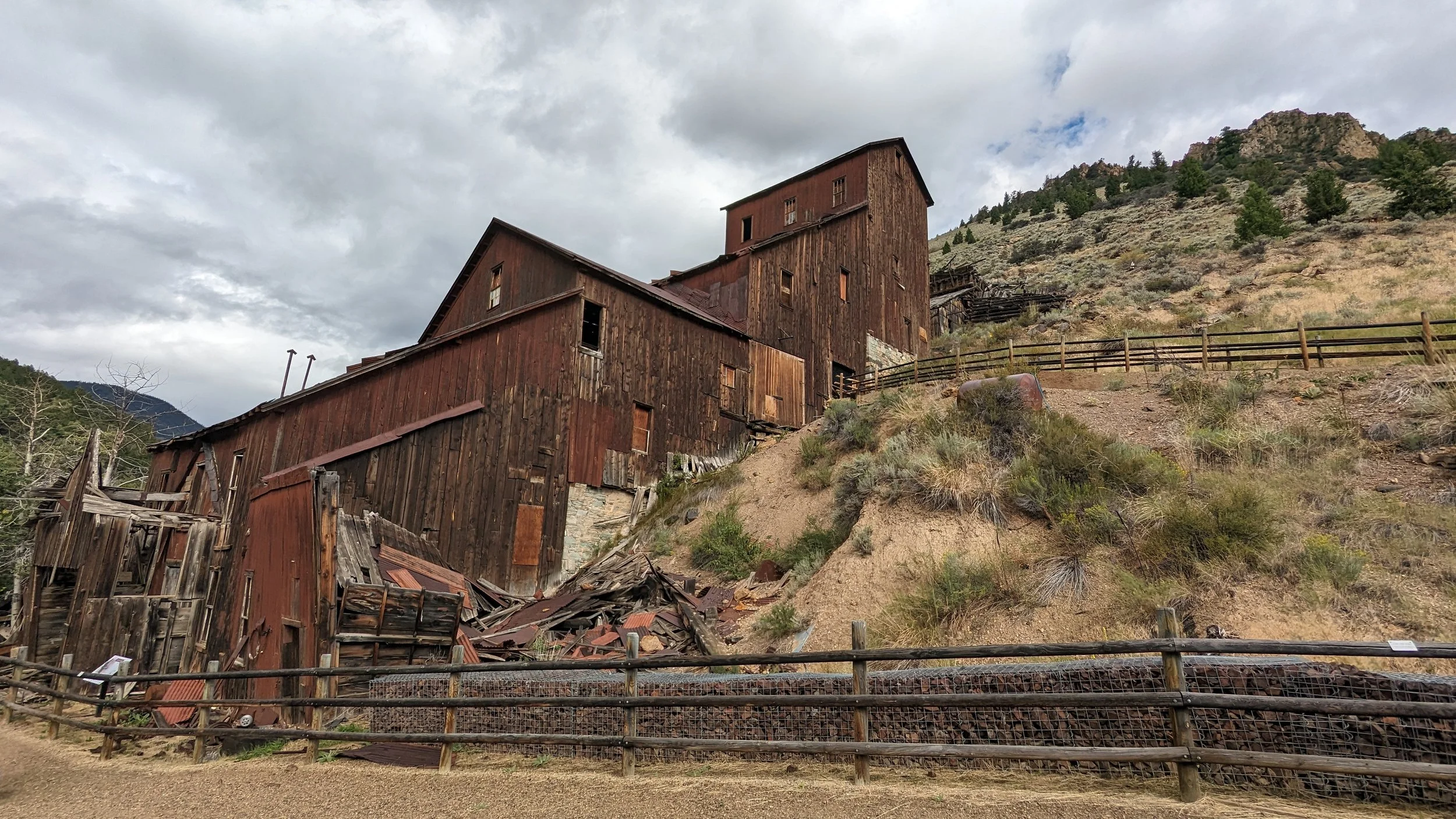
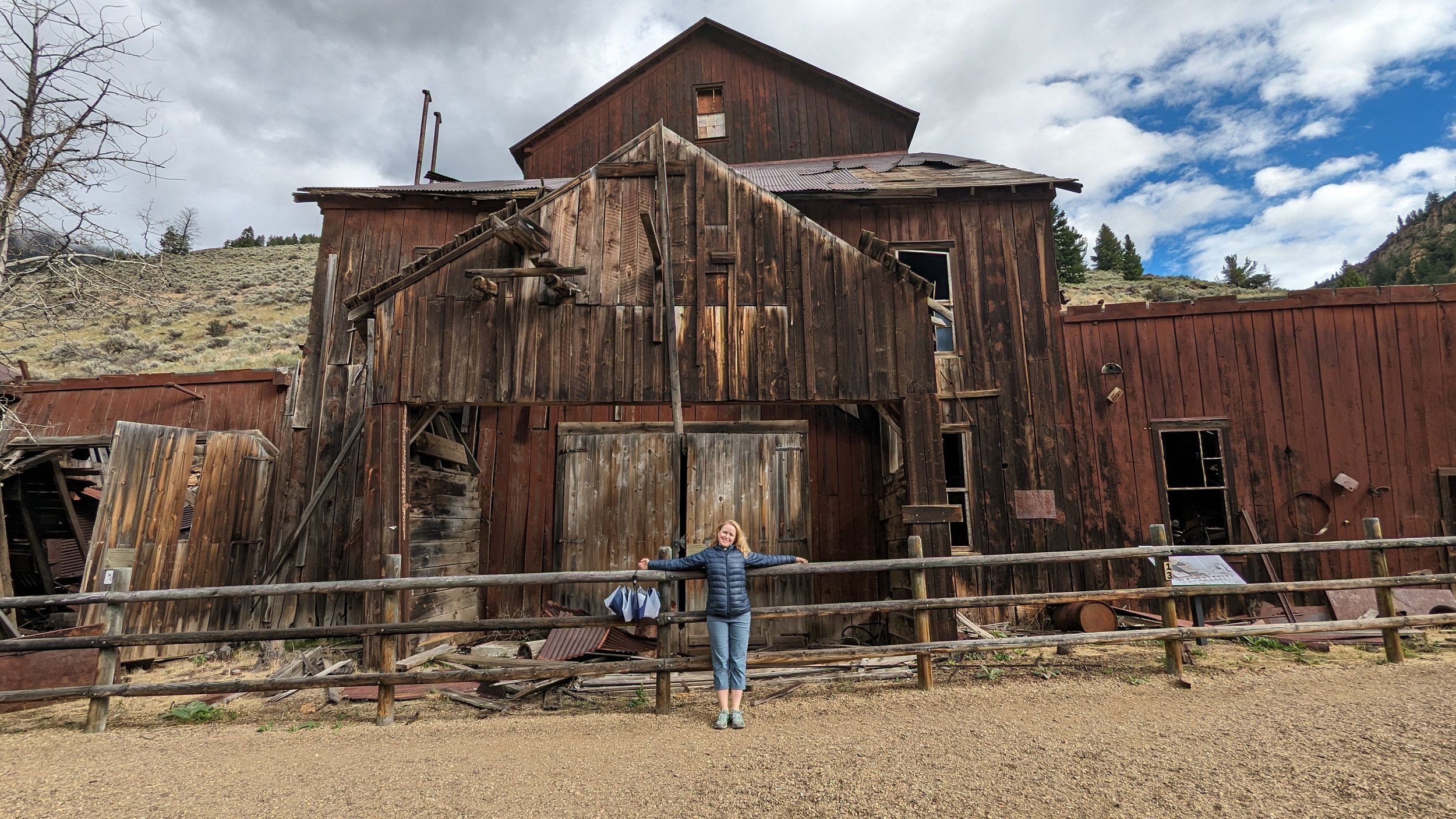
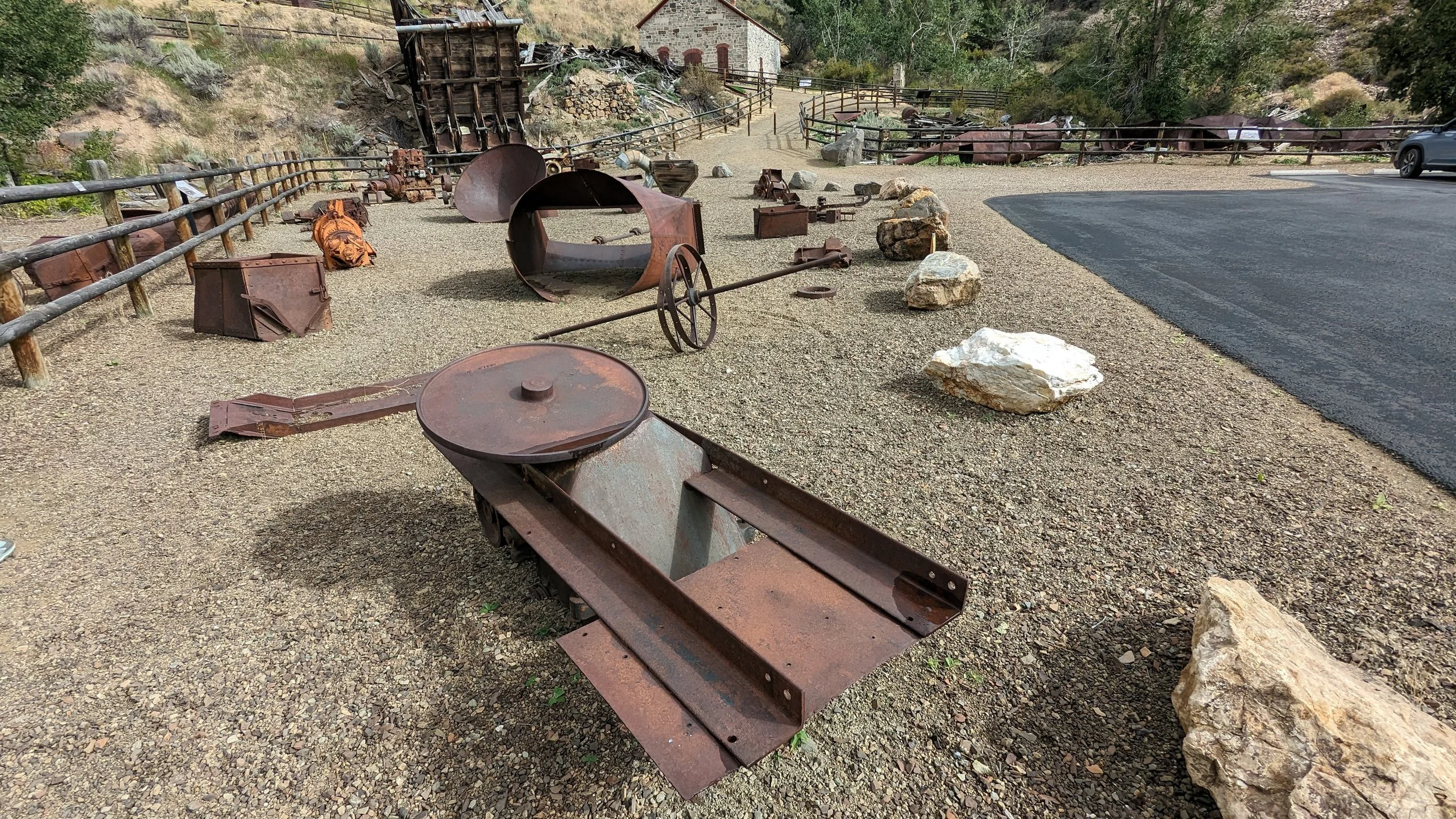
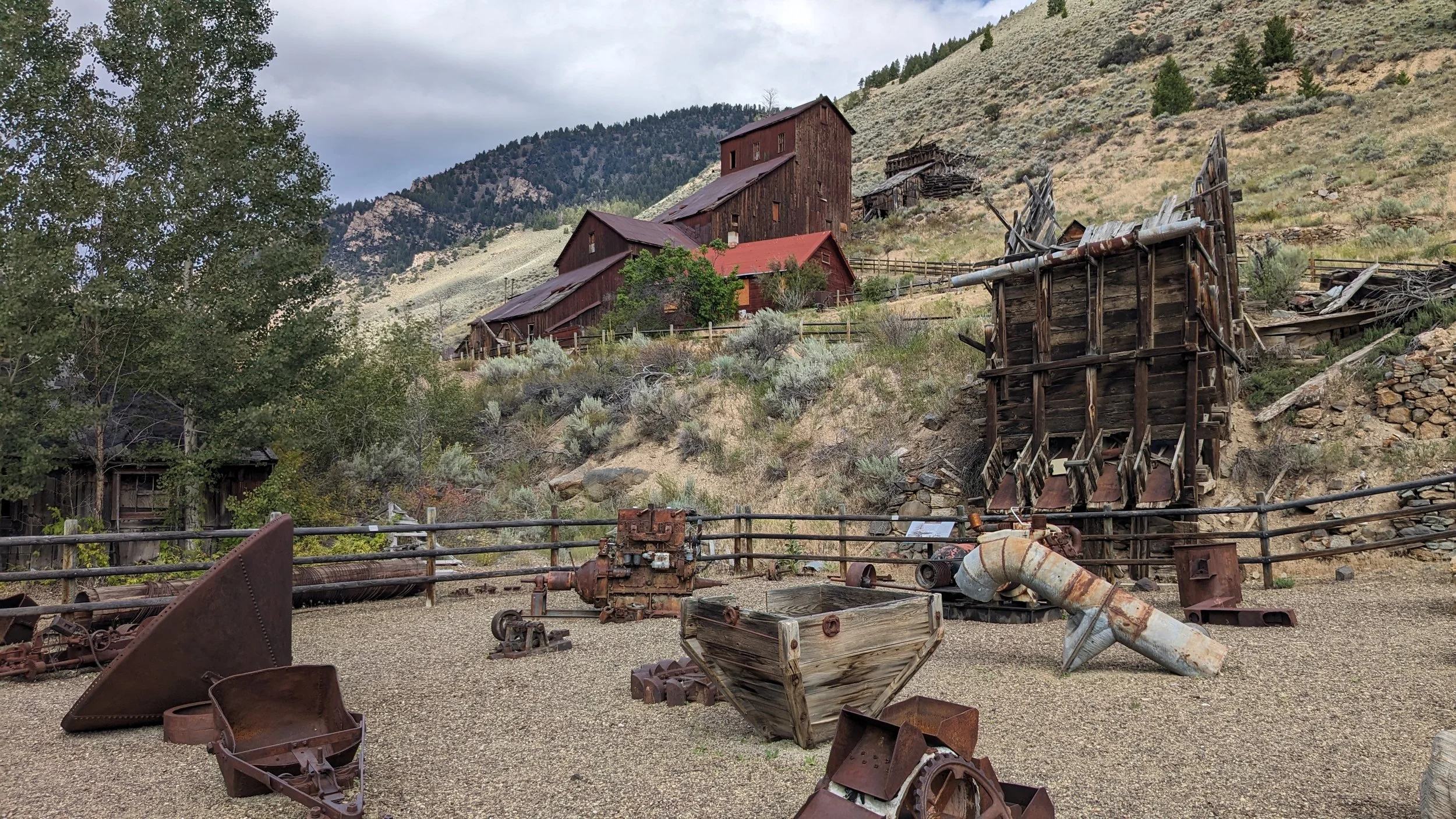
Bayhorse was left to decay for decades. In 2006, the site was acquired by the Idaho Department of Parks and Recreation, and it is now managed as a protected unit of the Land of the Yankee Fork State Park. The site is considered one of the West's best-preserved boomtown mill sites. Efforts have stabilized and preserved the remaining structures, including the impressive Gilmer and Salisbury Stamp Mill, charcoal kilns, and original cabins, allowing visitors to tour the area today.
Notable Town Structures
Aerial Tramway (Holiday Wire-Rope Tramway)
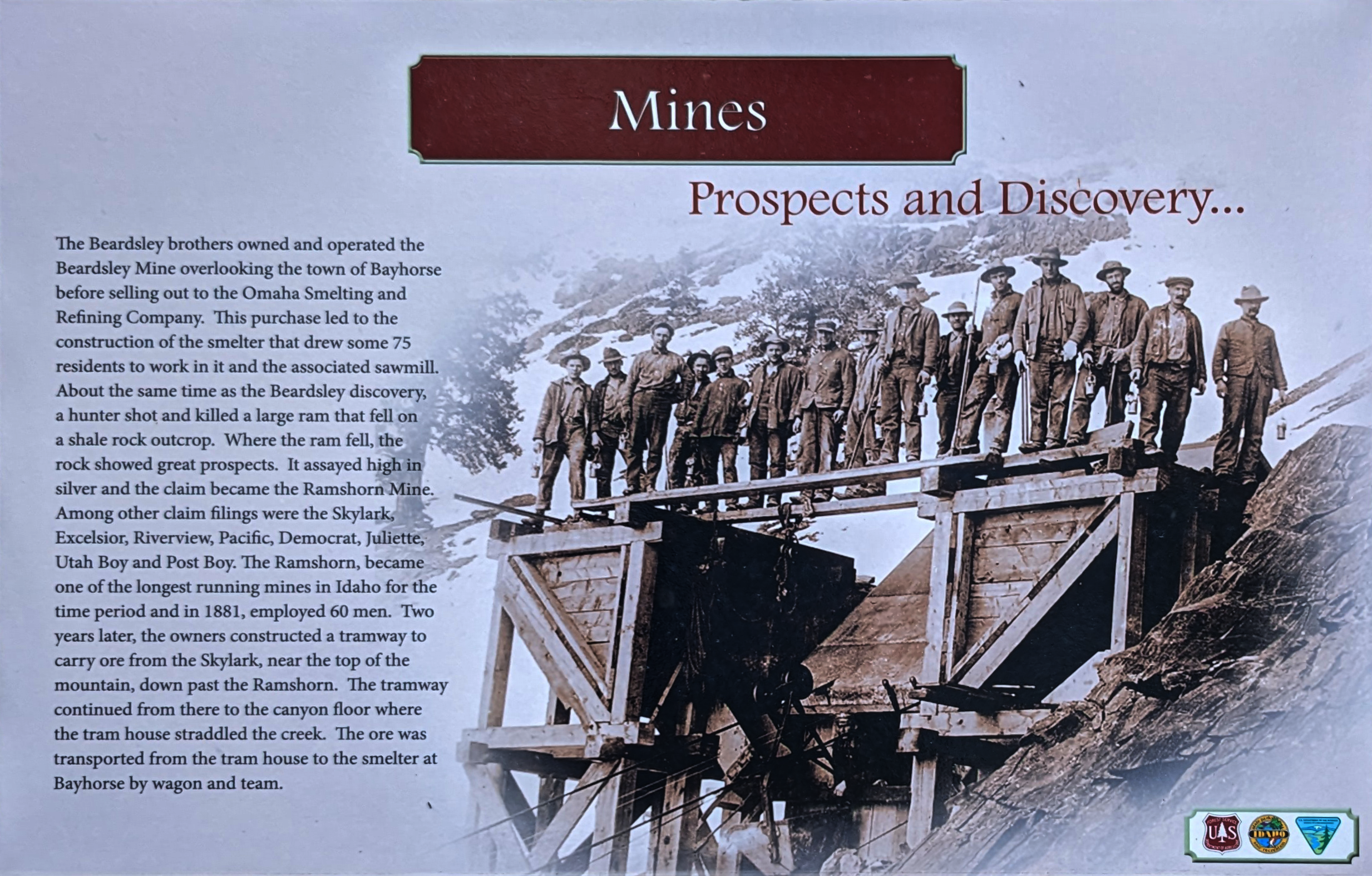
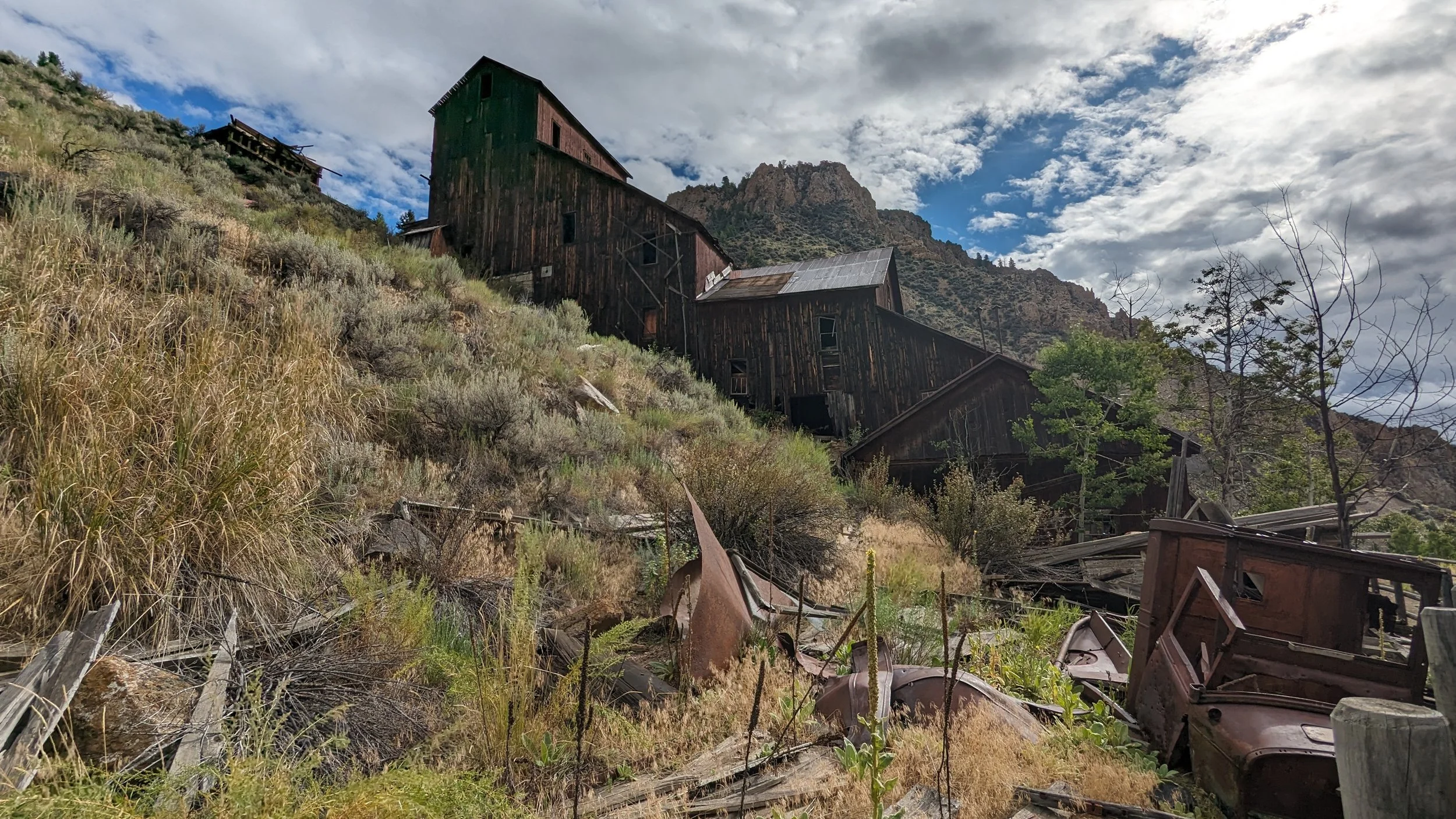
The most prominent mine, the Ramshorn, utilized a Holiday wire-rope tramway to transport ore from the upper mine workings down the canyon. The upper works included a tram building, a separate bunkhouse, and a kitchen.
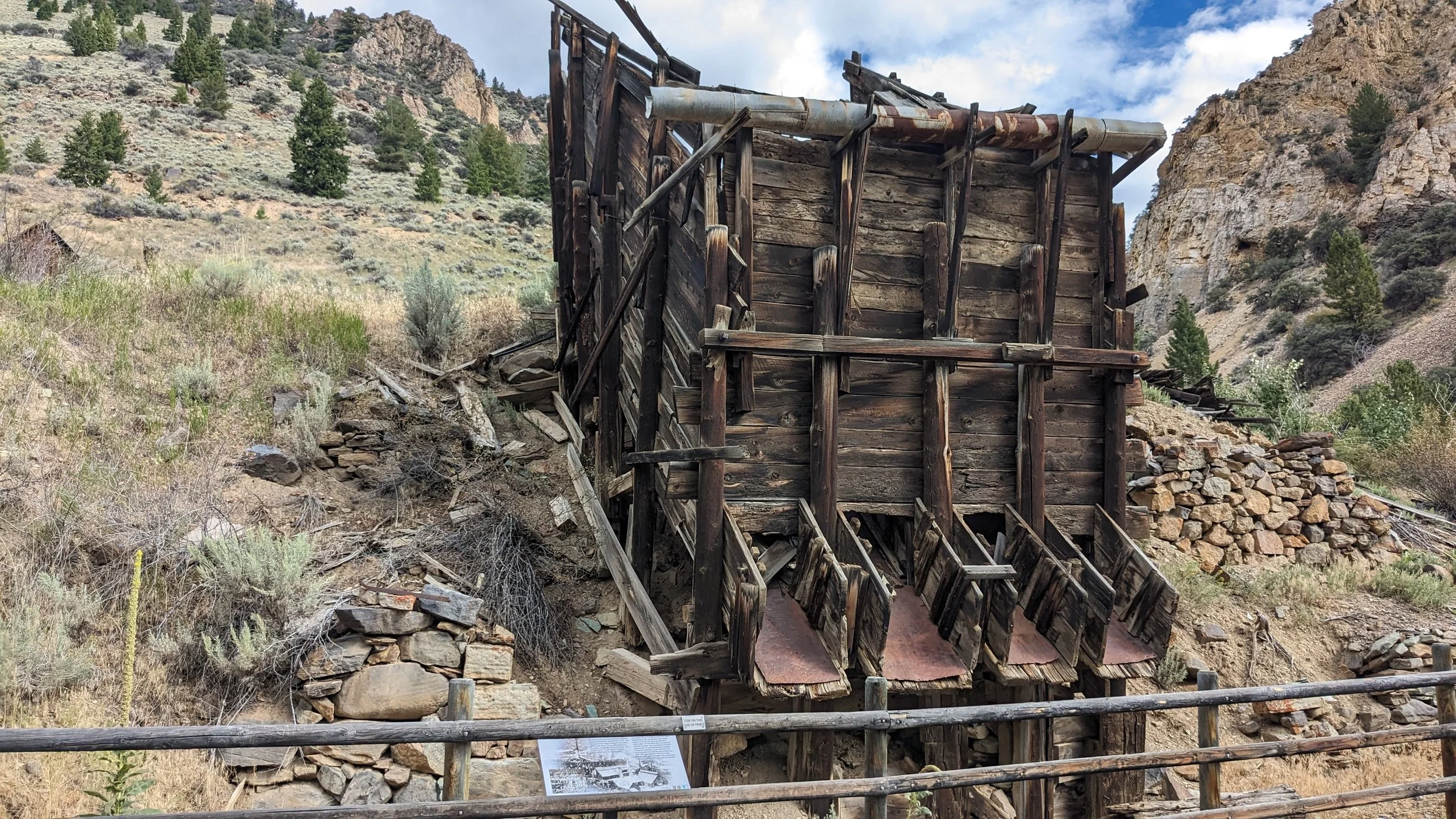
Ore Bin
At the base of the aerial tramway, a large ore bin was located to receive the material. This bin had a sloped floor so the ore would roll into a wagon for transport to the mill. The remains of two towers that supported boxes containing rocks to keep the cable tight were located at the front of the tramway.
Gilmer and Salisbury Stamp Mill (The Bayhorse Mill)
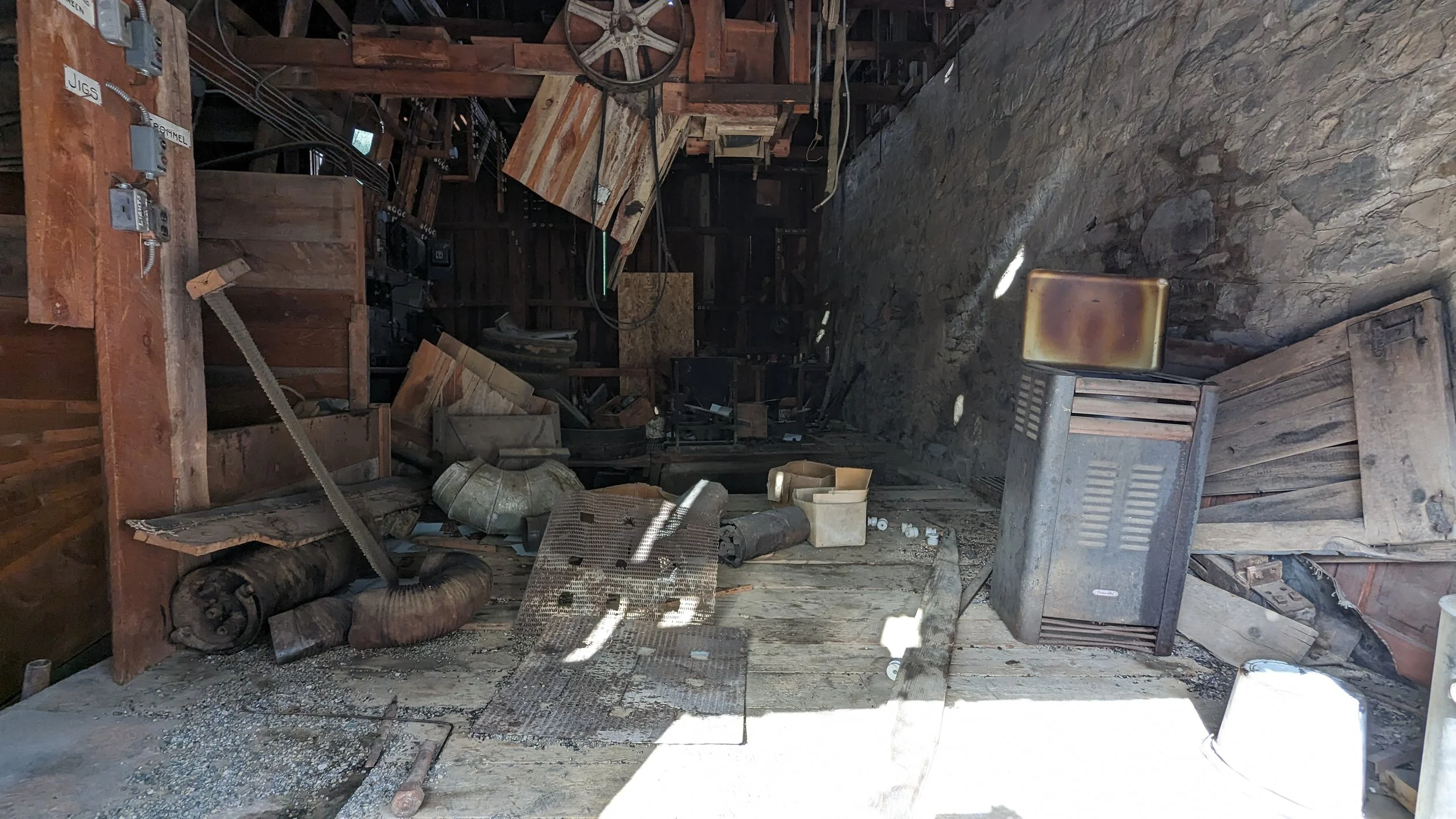
This is the most impressive structure in Bayhorse, situated on a hillside overlooking the town's ruins. The mill operated 24 hours a day. The wire rope tramway would transfer ore from the Ramshorn Mine to the Mill. The ore was then transferred to the top of the mill, where gravity would move it through successive processing stages. The mill crushed ore using heavy metal stamps until it reached a sand-like consistency. It processed the bulk of the $10 million in silver that came from Bayhorse.
Smelter & Refinery
By 1880, the town had a water-propelled smelter capable of handling over 30 tons of ore per day. The Bayhorse Smelter was later producing eighty tons of bullion per month. In late 1885, a refinery was installed, allowing the Bayhorse Smelting and Mining Company to ship pure silver bars instead of crude bullion.
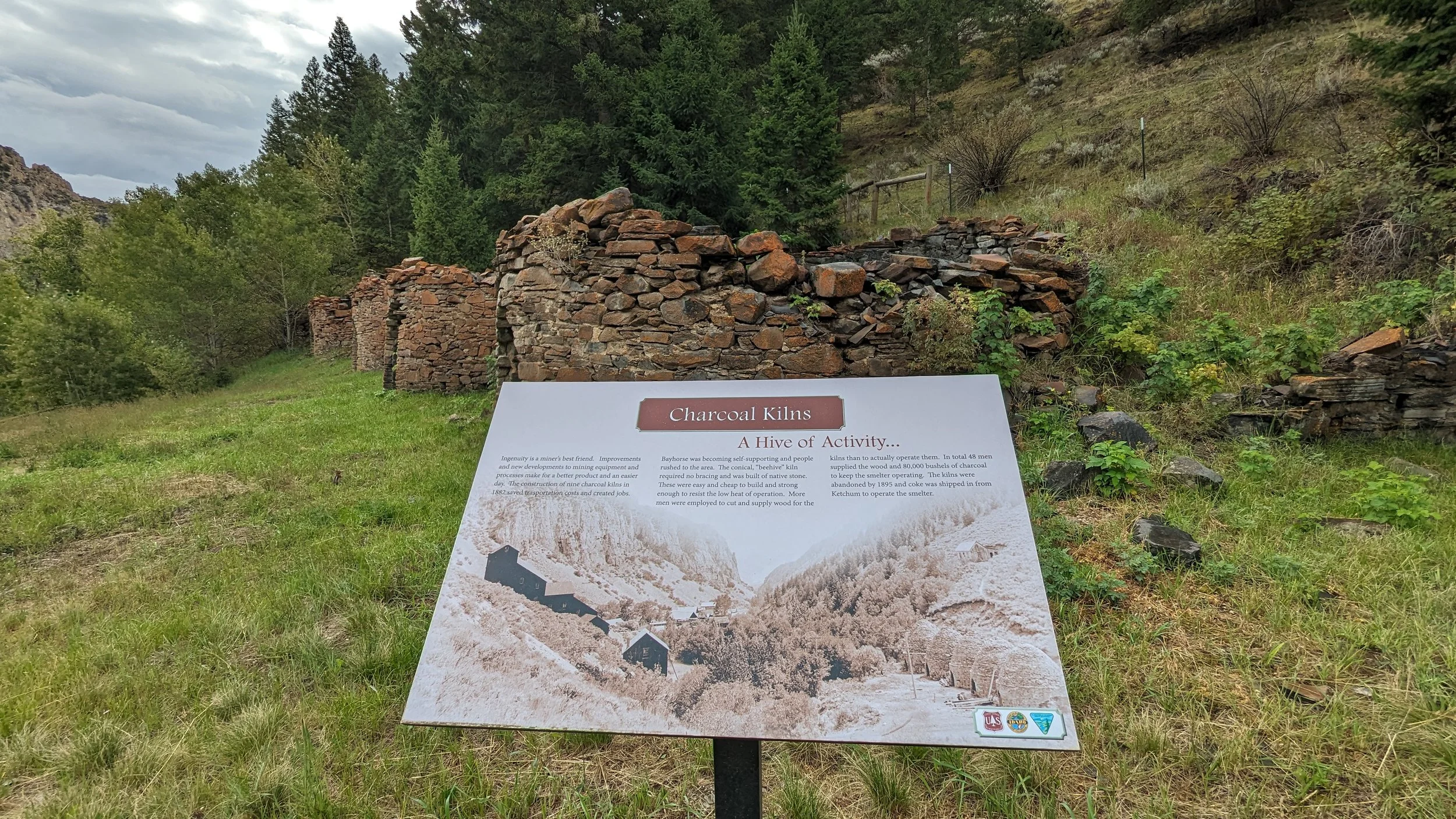
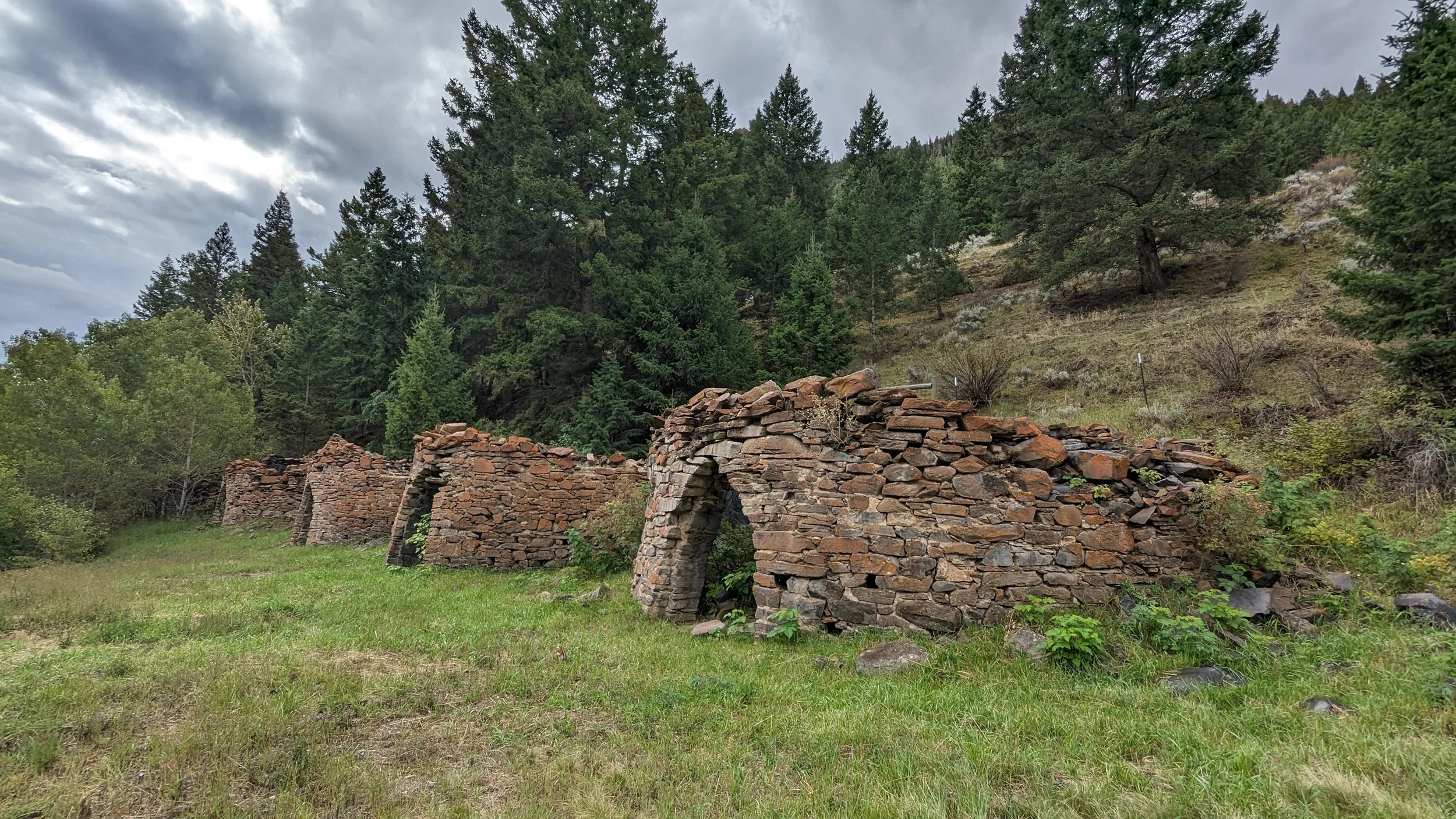
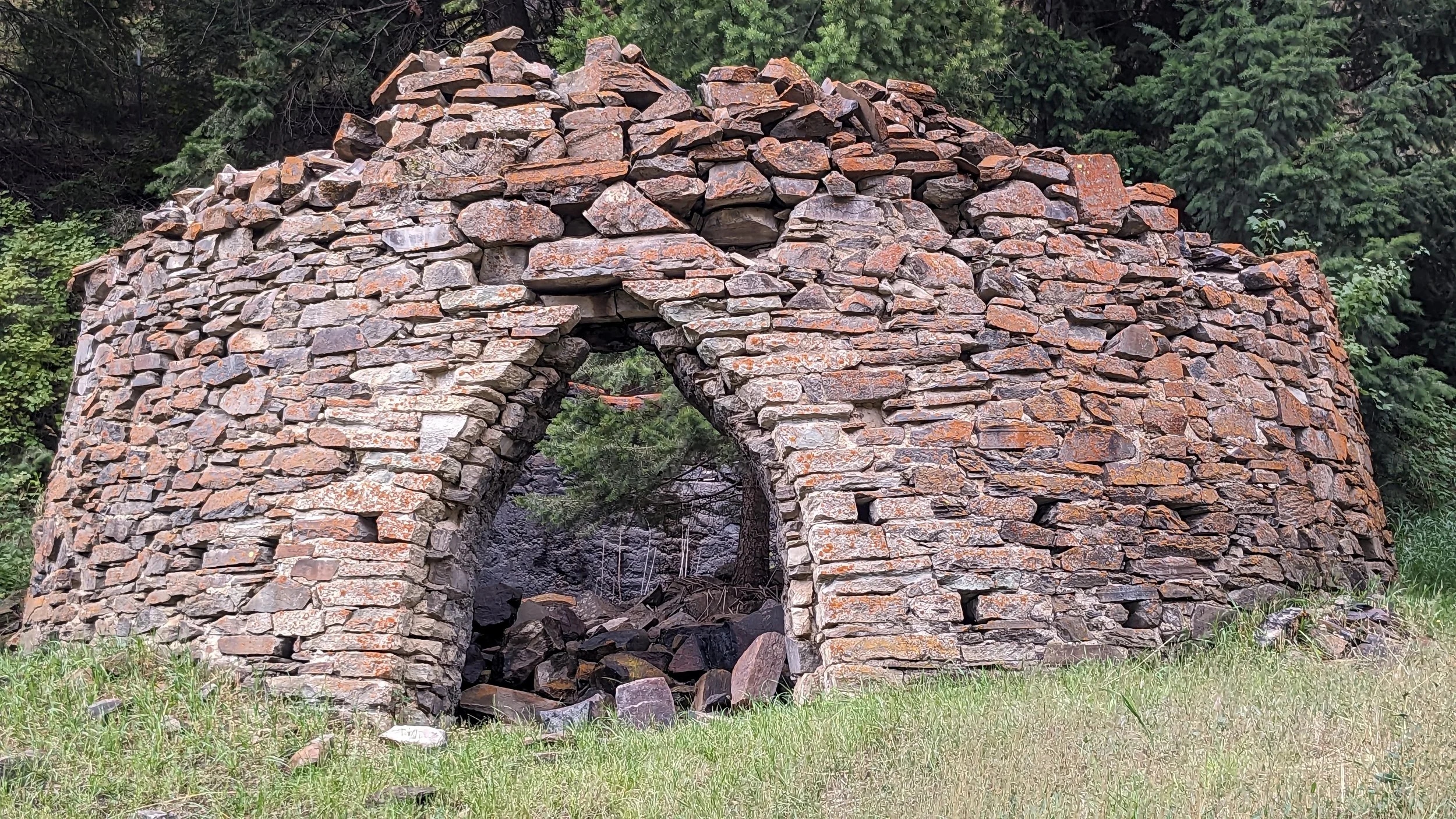
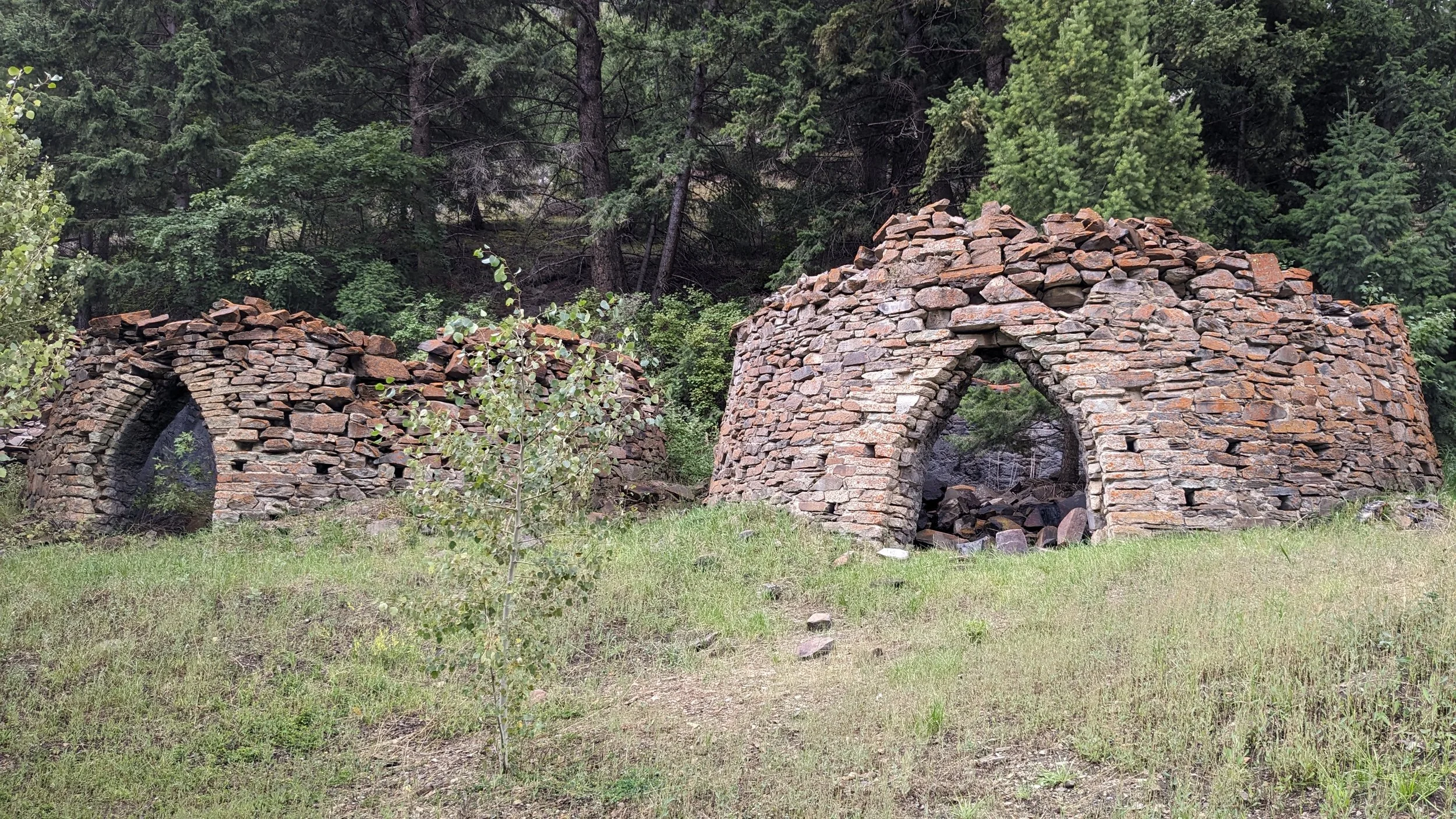
Charcoal Kilns
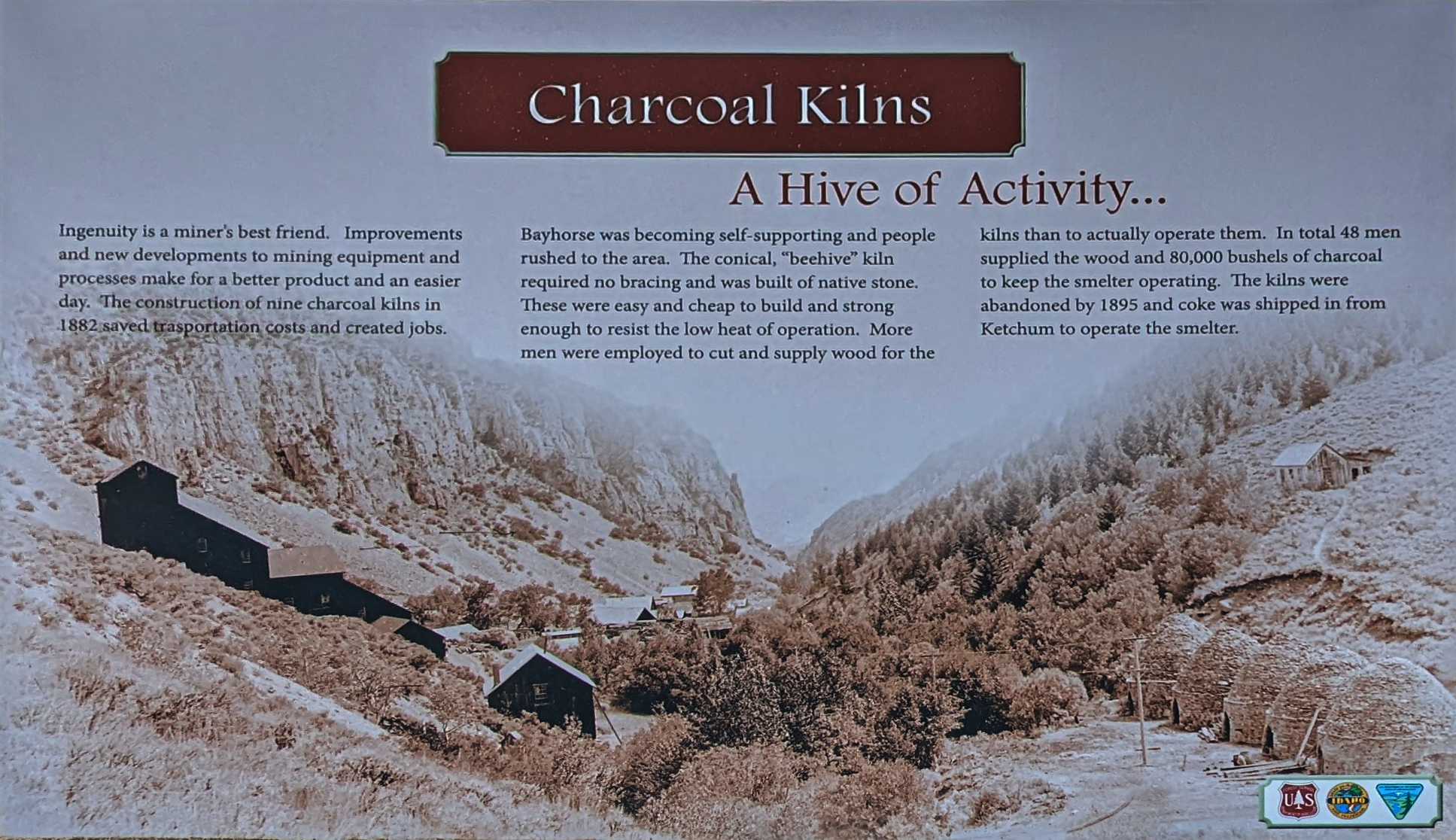
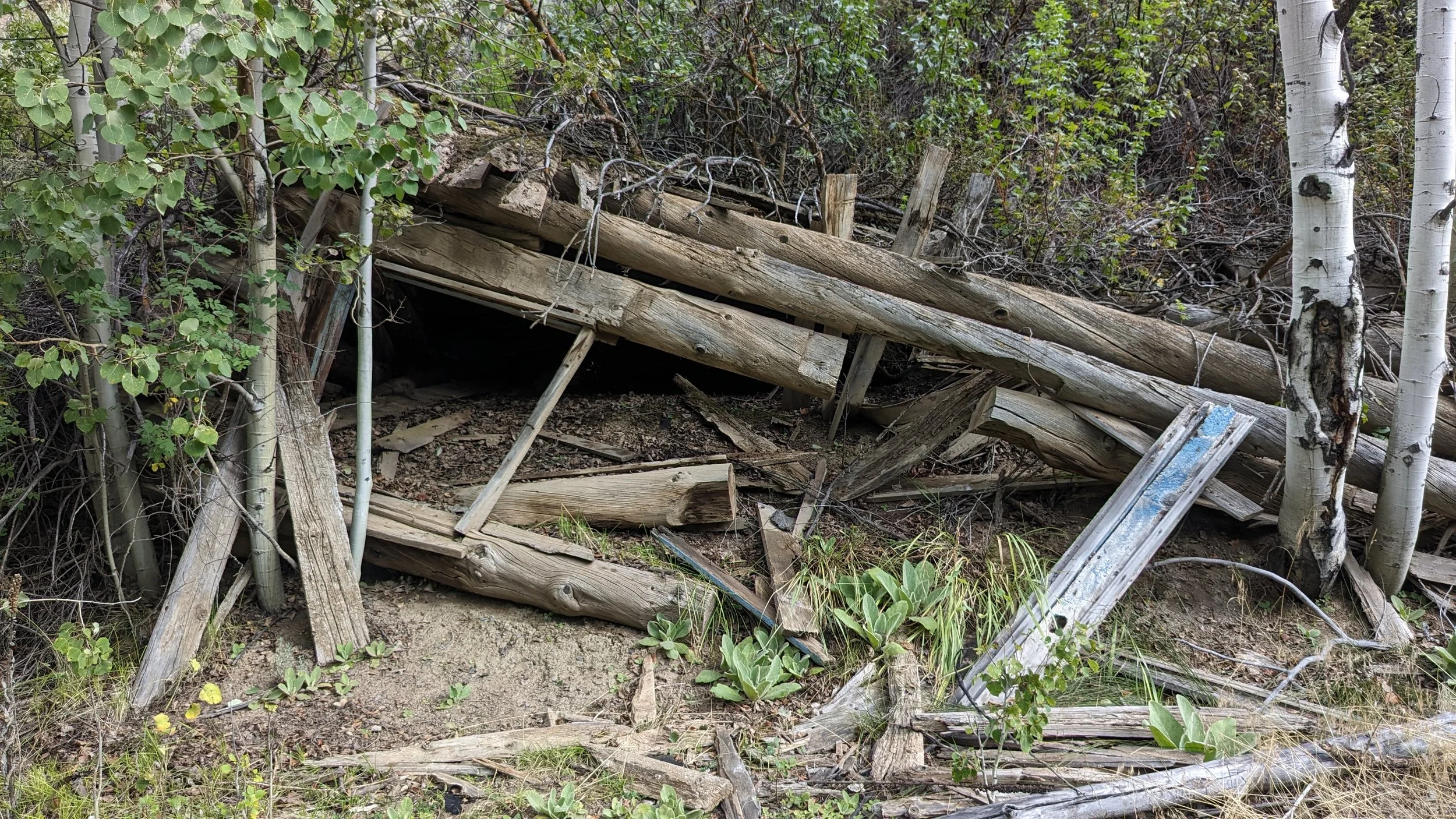
Essential for the smelting process, the town was supplied with charcoal from nine stone kilns. Five or six of these beehive charcoal kilns survive in good condition today. Wood for the kilns was initially brought in via a long flume (an artificial channel conveying water, typically used for transporting logs or timber).
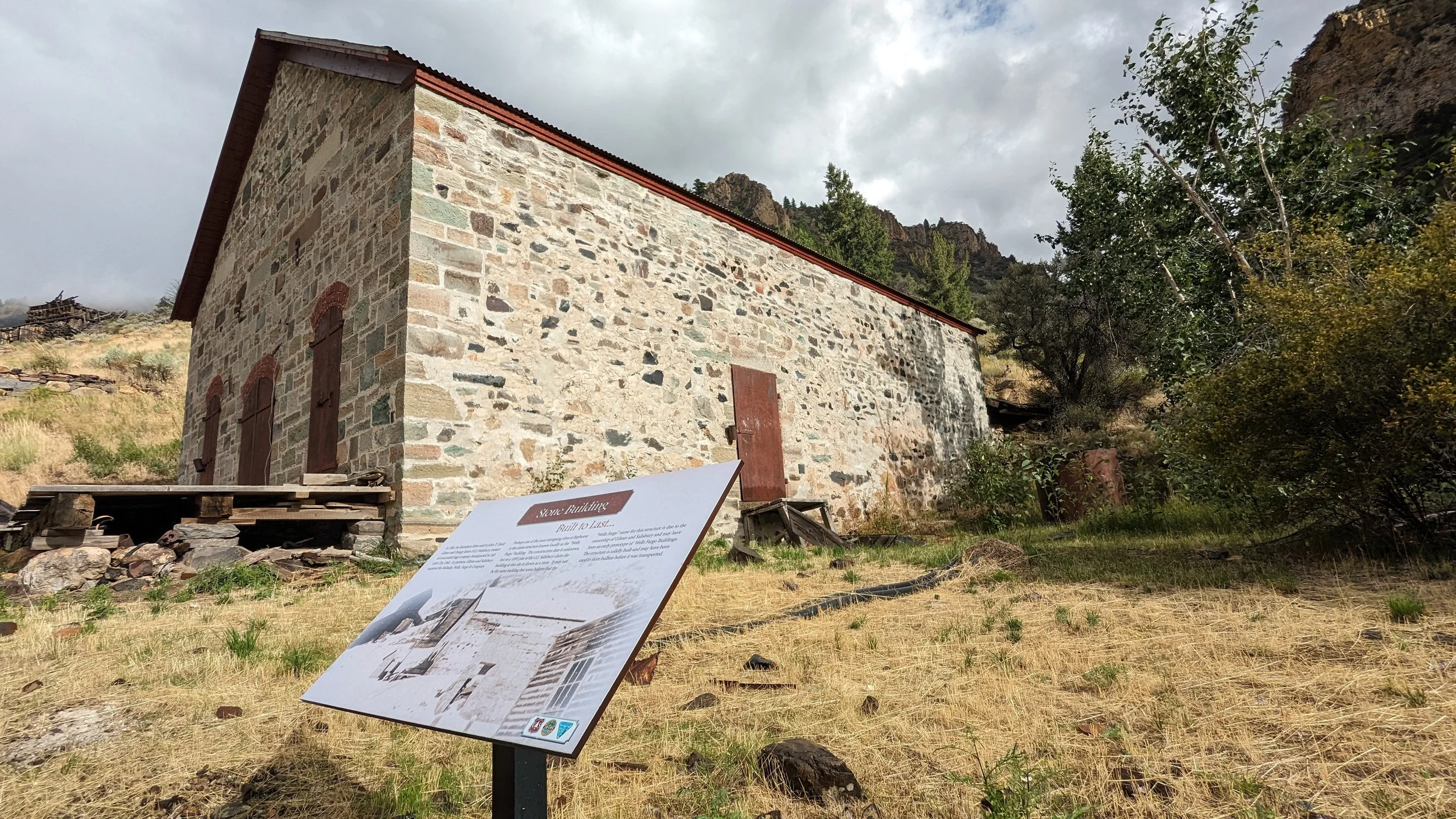
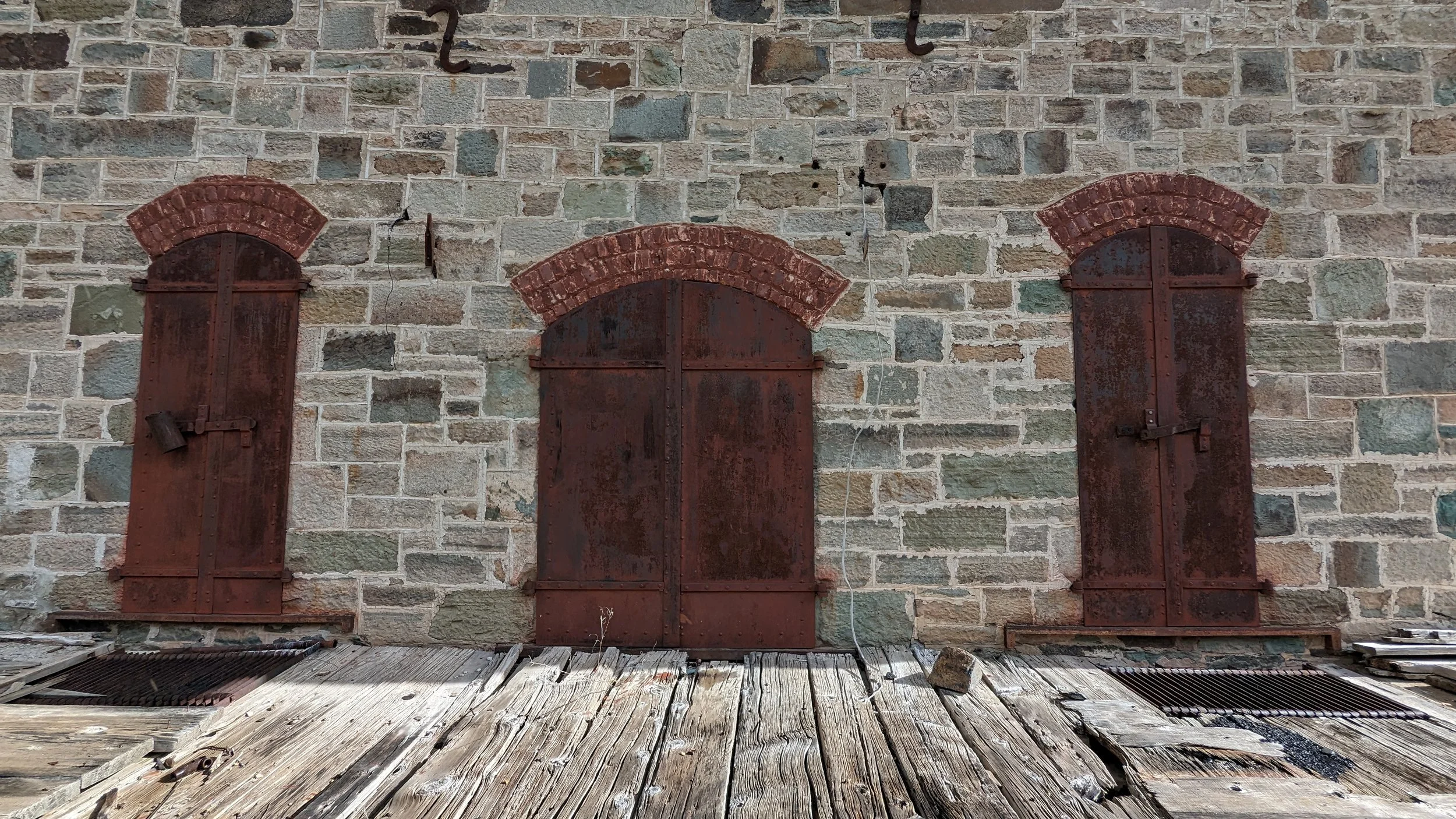
Wells Fargo Building
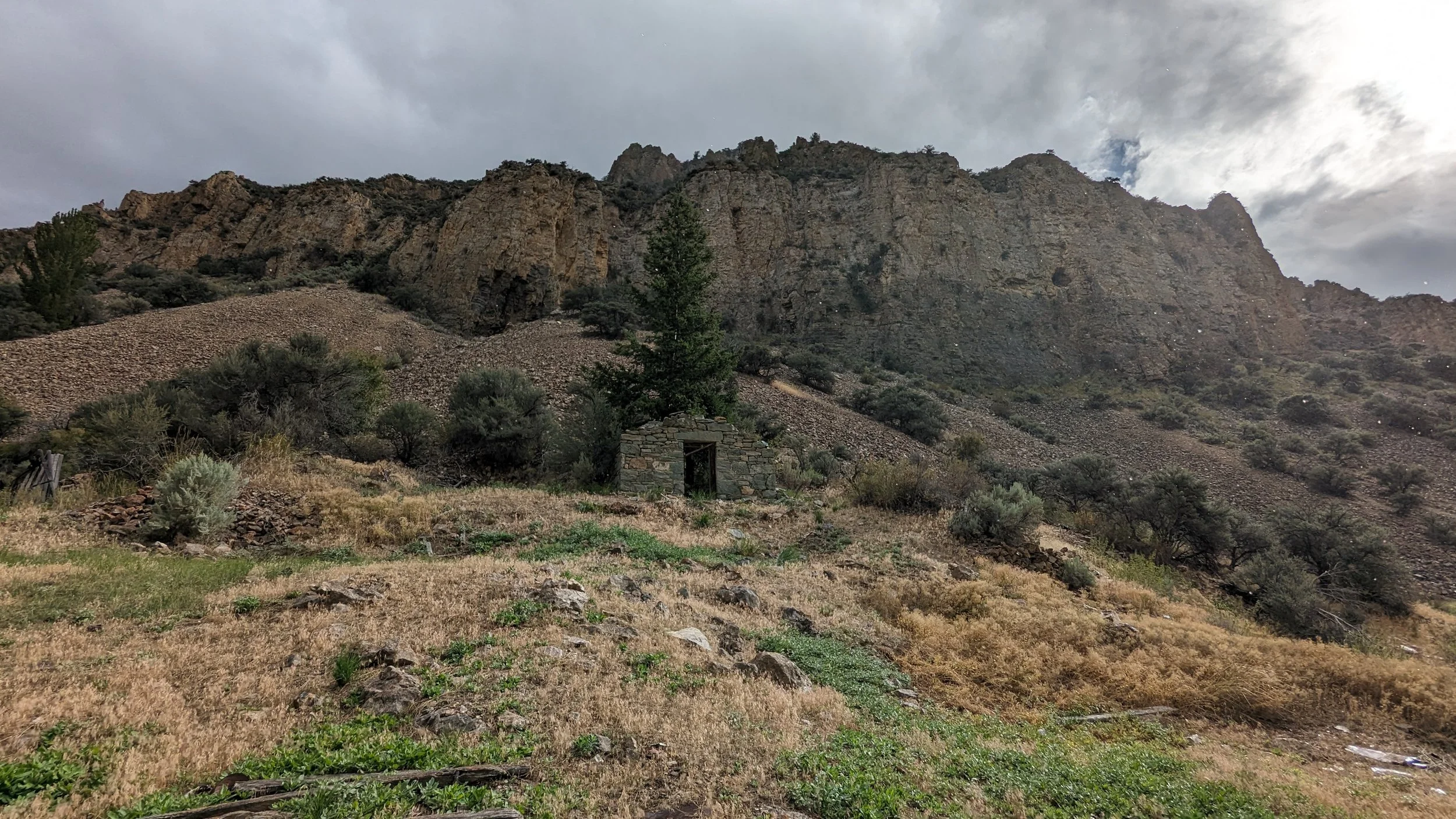
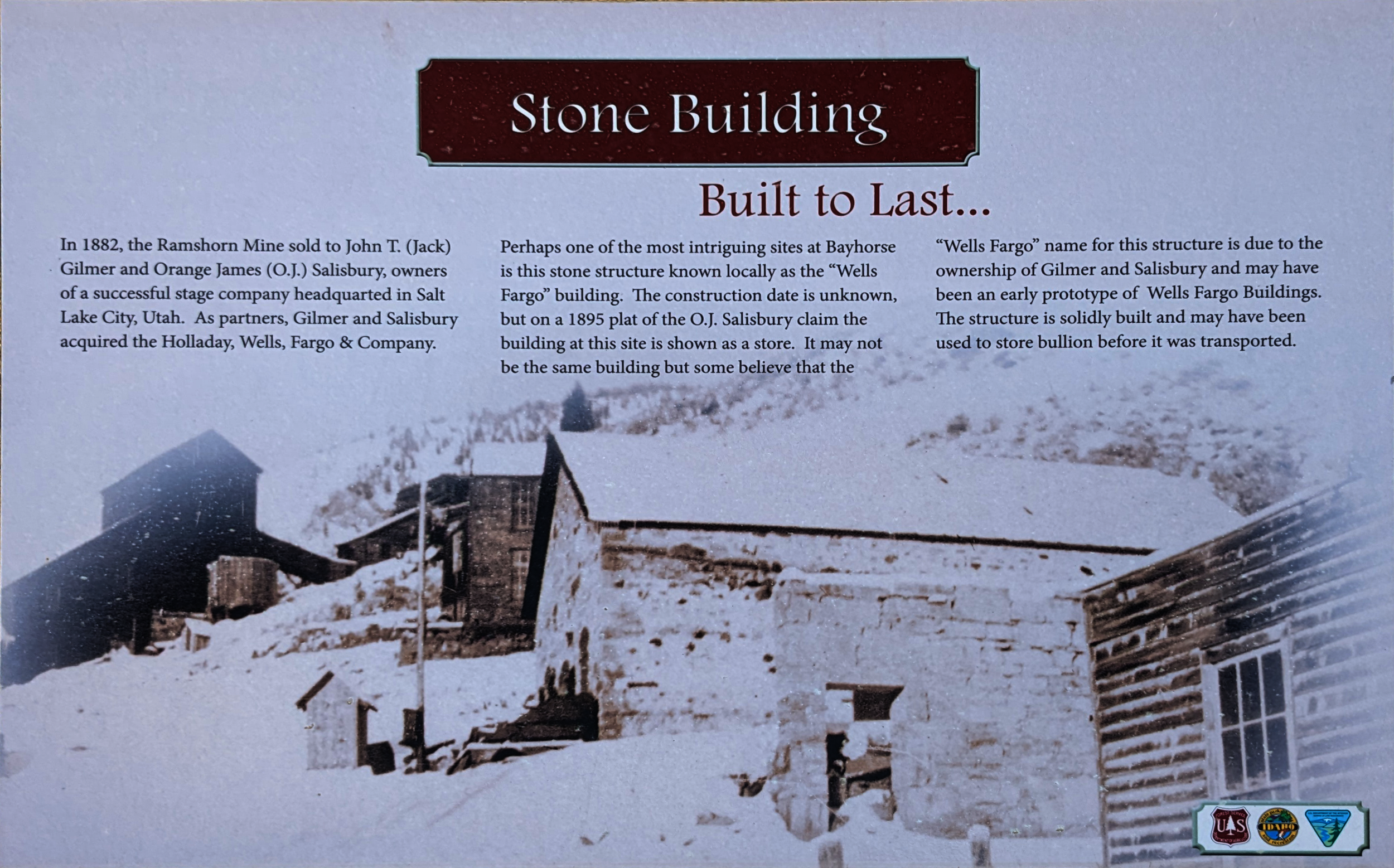
This is a notable stone structure that remains well preserved today. Although known by this name, historians are unsure whether Wells Fargo ever officially used it, but it may have been used to store bullion.
Ancillary Structures
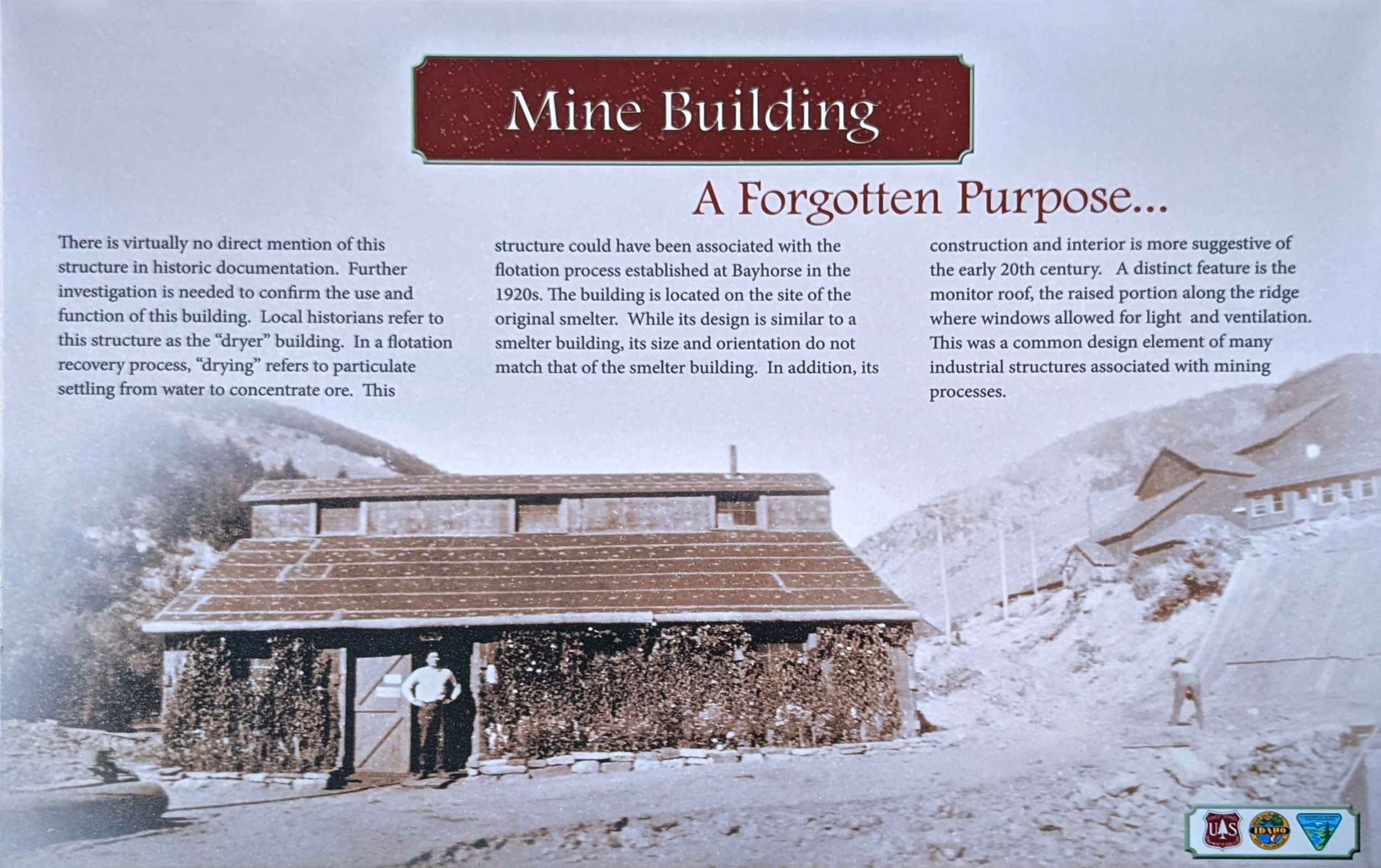
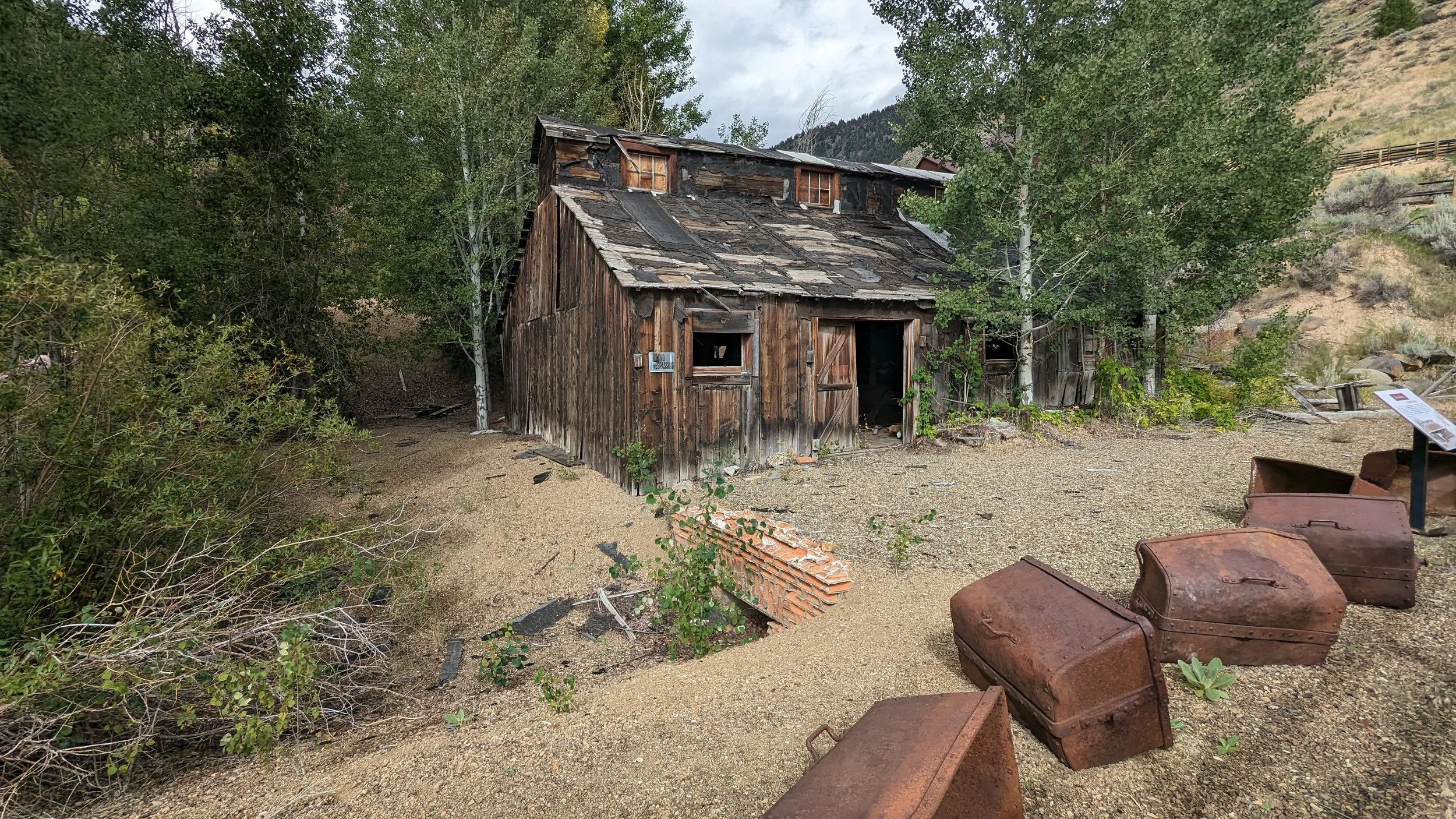
Other buildings known to be part of the town included an assay office, a blacksmith shop, and shops. Buildings known to have been destroyed by the 1889 fire included a stage barn, a wash house (Sing Lee's), and a mess house for teamsters (Charles Small's).
Dwellings
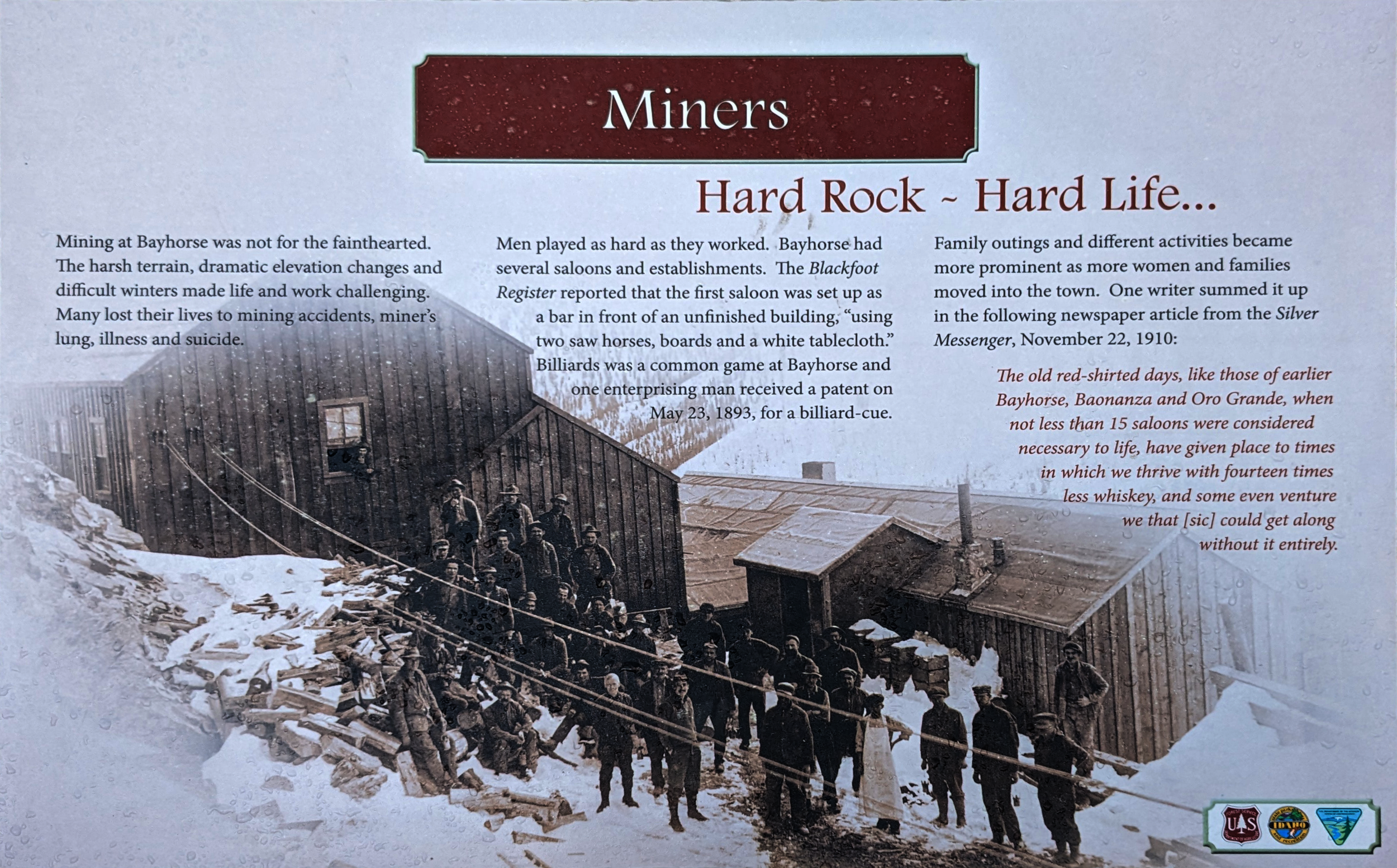
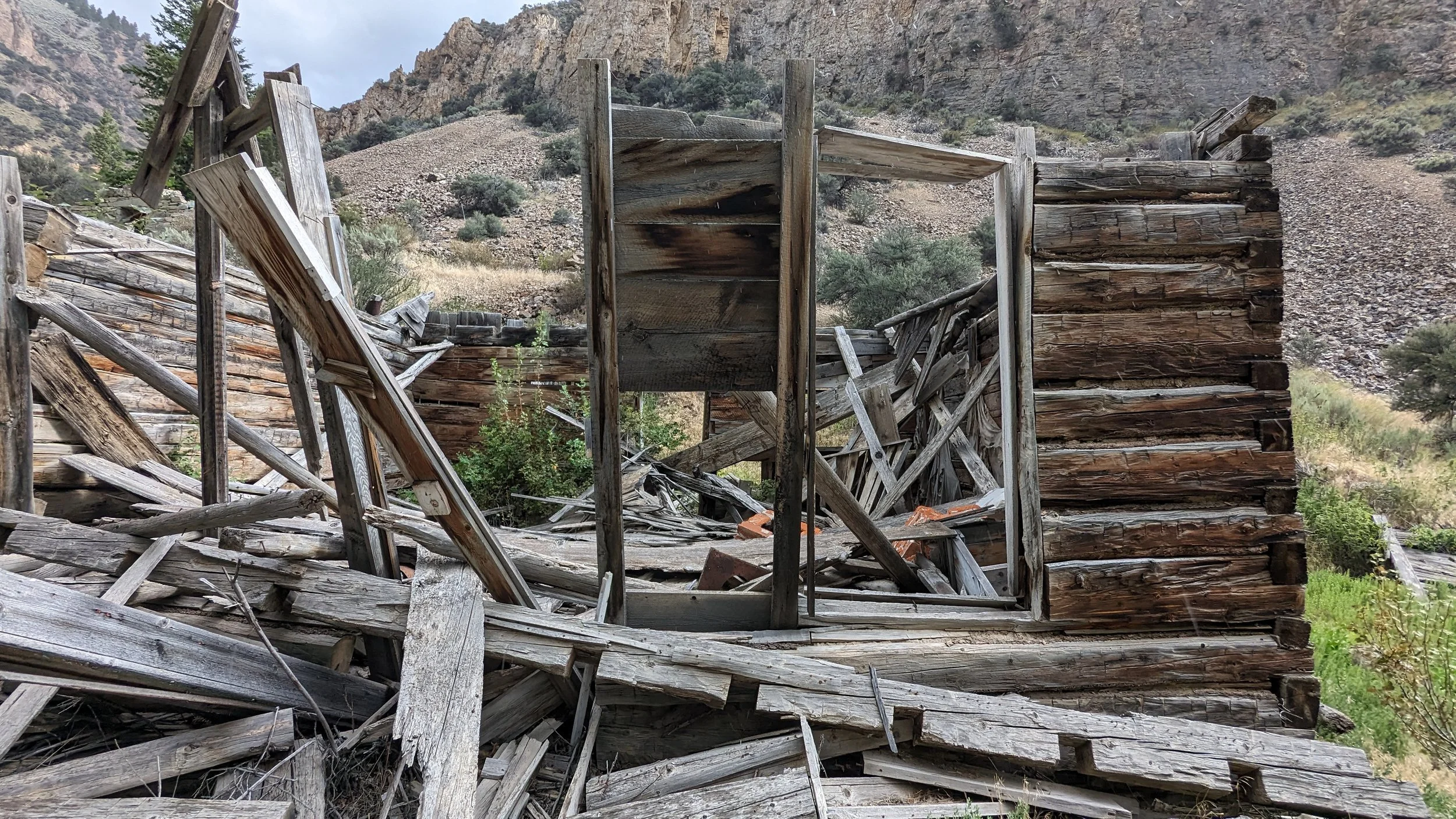
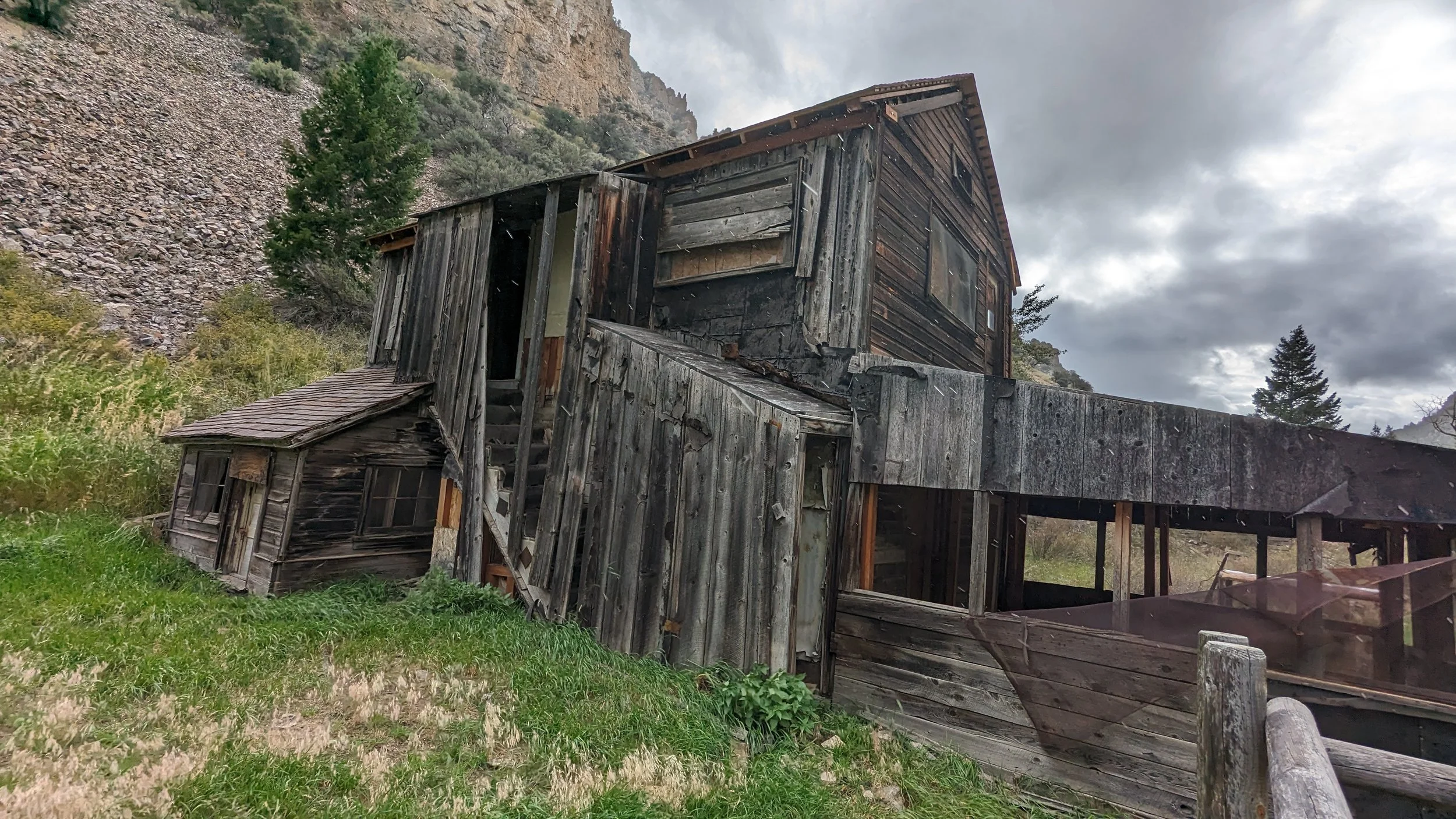
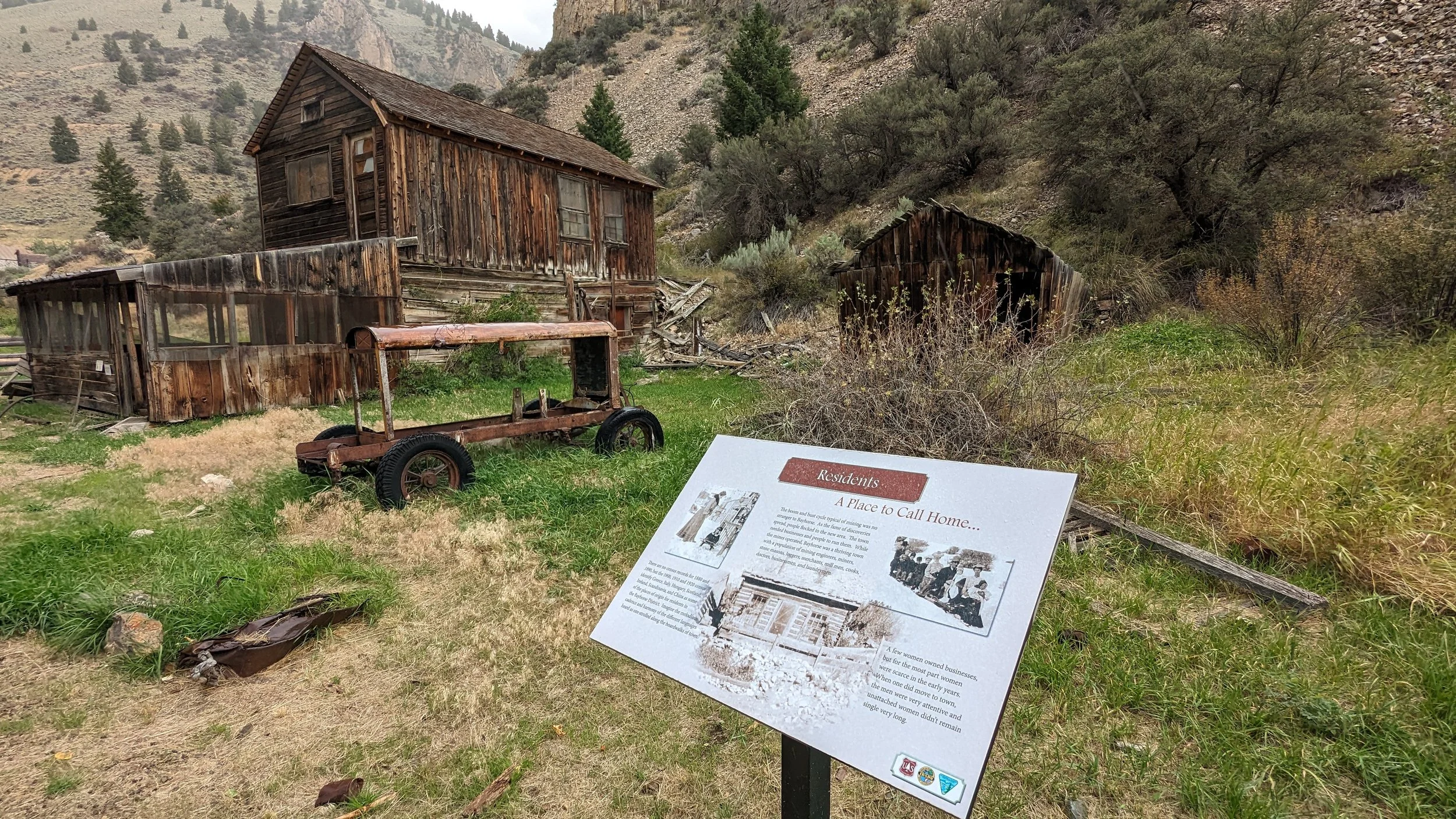
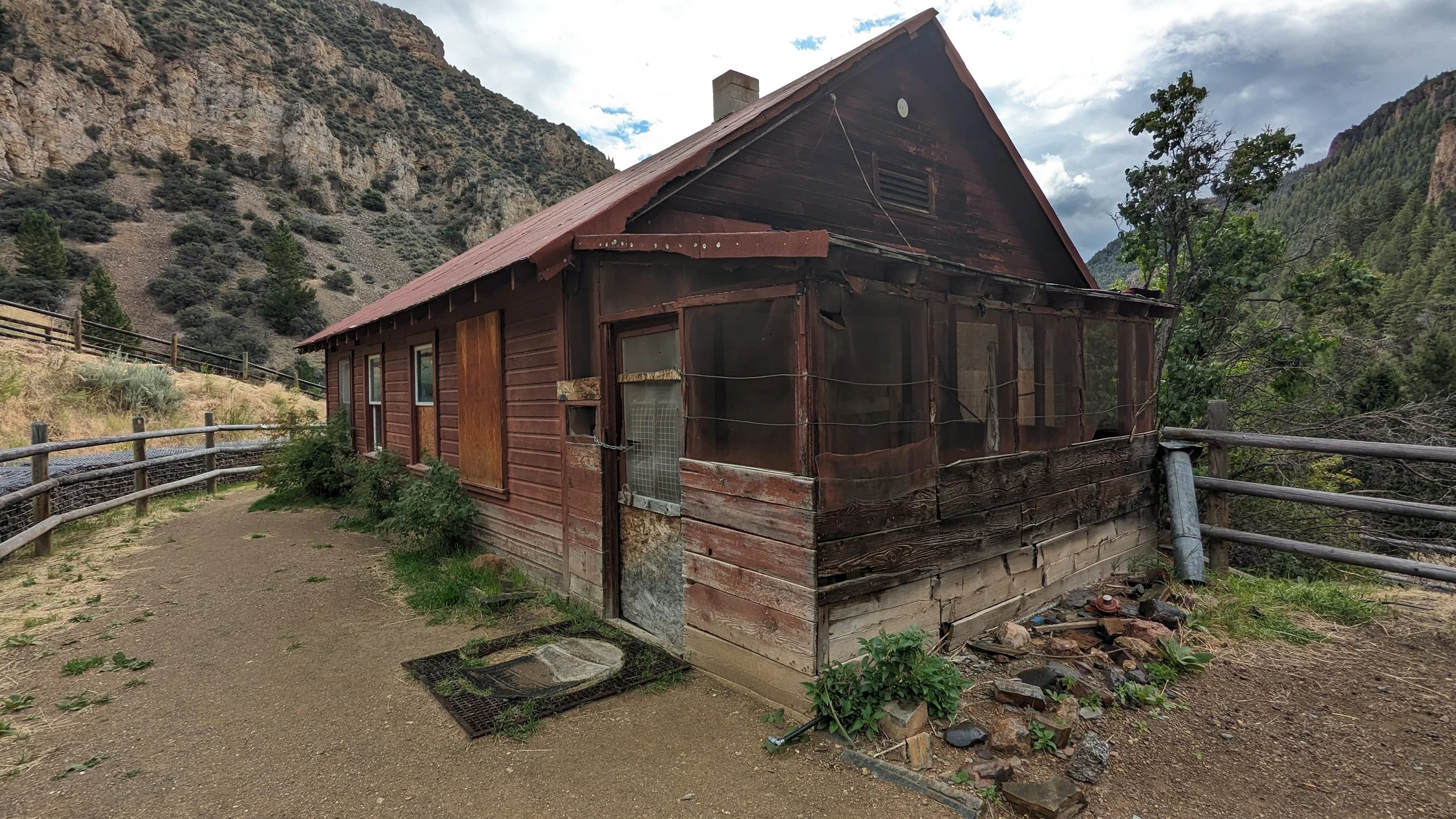
Surviving residential buildings include log cabins and frame structures with clapboard siding. Some houses, likely owned by business owners or mining officials, featured exterior staircases that allowed individuals to access second-floor rooms without passing through the main-floor business.
Summary
Bayhorse Ghost Town is a wonderfully preserved boomtown that shows how quickly mining booms can start and end. In only a few years, Bayhorse went from a handful of prospectors to several hundred people. In just a few years, the boom ended, and the town was abandoned almost overnight. As you look at other ghost towns and mining communities, you will see similar timetables. The informational signs throughout the town provide insight into several structures and the people who lived in them. It is a wonderfully preserved historical site that is sure to captivate anyone interested in this period. It is easier to access than Custer Ghost Town, but I would still recommend visiting Custer. We wholeheartedly recommend visiting this historic town to step back in time and learn how people worked and survived in this challenging location and under this dangerous occupation.
The surrounding area is gorgeous and has a lot of other fun activities, such as:
Interpretive Center in Challis, Idaho
Custer Ghost Town
Yankee Fork Gold Dredge
Stanley’s Mountain Village Restaurant
A multitude of hikes and camping opportunities