
Adventures
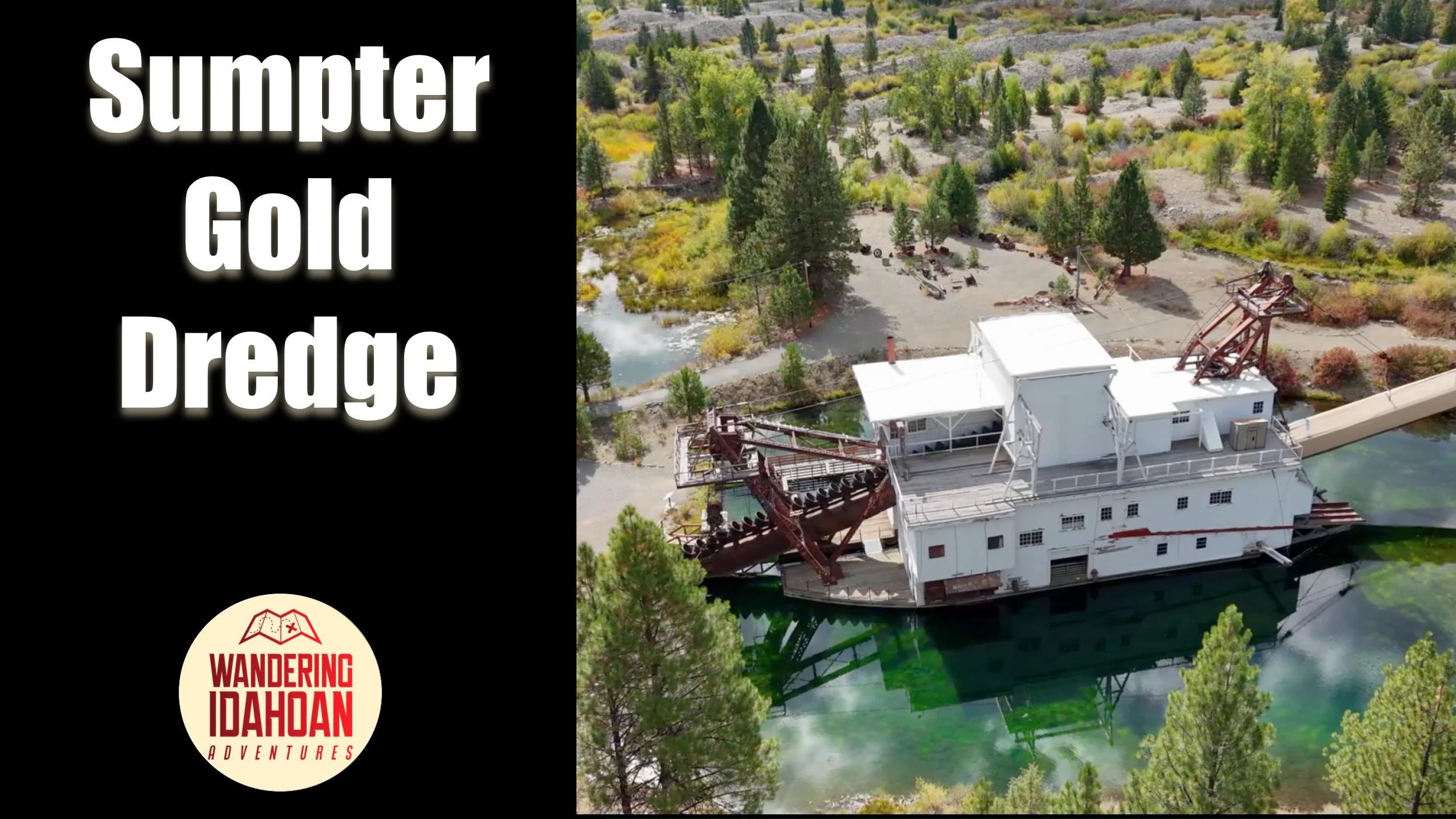
Sumpter Gold Dredge - Sumpter, Oregon
The Sumpter Gold Dredge (specifically Sumpter No. 3) is a massive, floating Yuba-style placer mining machine that now serves as the centerpiece of the Sumpter Valley Dredge State Heritage Area in Eastern Oregon. Operating almost continuously from 1935 to 1954, this 1,250-ton behemoth extracted gold by scooping up earth with 72 one-ton buckets, processing the material inside its 125-foot hull, and recovering gold flakes before expelling the waste. Although the dredge recovered approximately $4.5 million in gold, the company ultimately ceased operations in 1954 $100,000 in debt. Its legacy is visible for miles in the distinctive stacks of stone known as tailings, which spread across the Sumpter Valley, dramatically transforming the natural meadows along the Powder River. Preserved today as a monument to area mining and added to the National Register of Historic Places in 1971, the dredge offers visitors a glimpse into the industrial methods and environmental impacts of gold extraction.
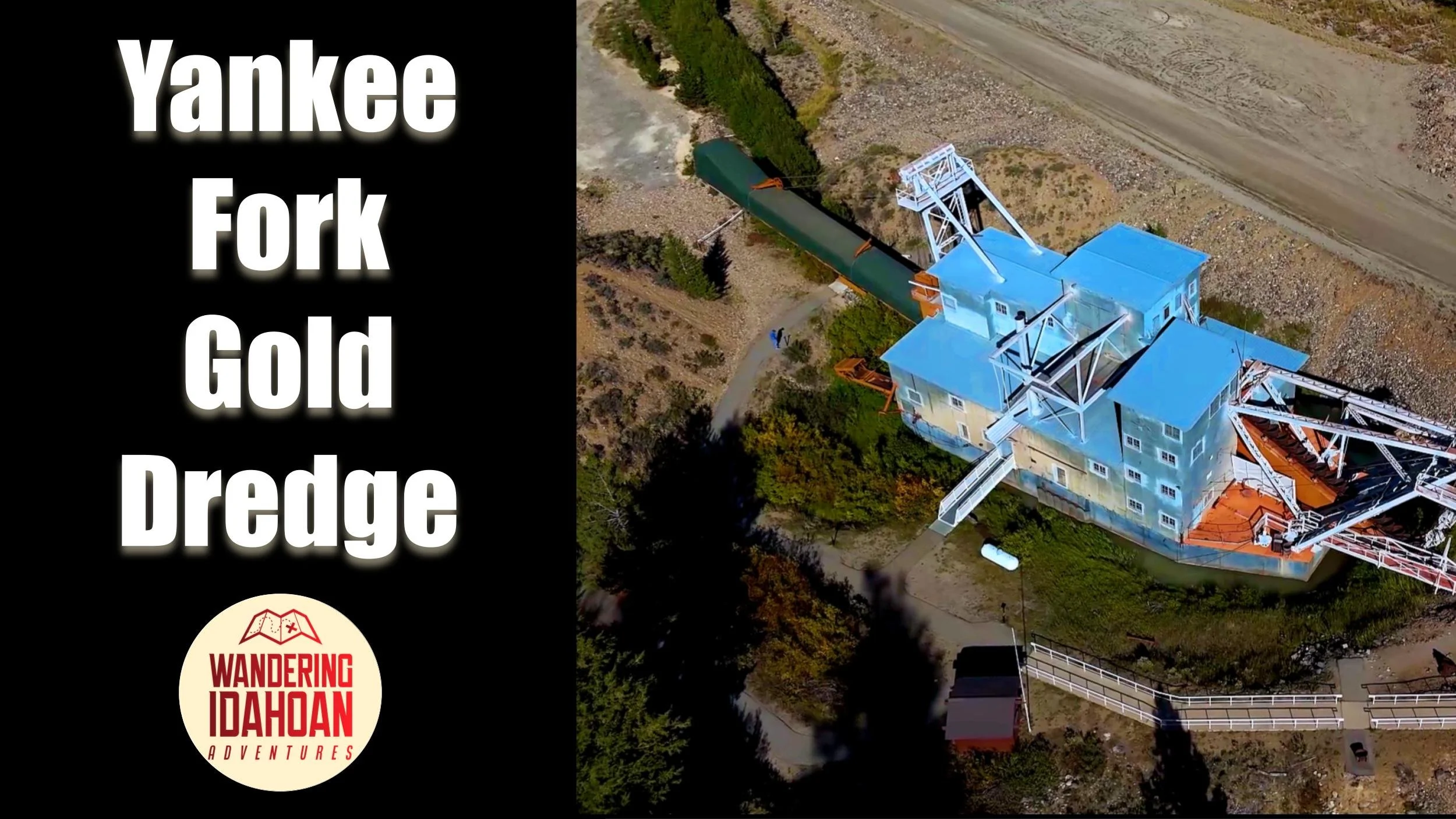
Yankee Fork Gold Dredge - Stanley, Idaho
Situated on the Yankee Fork River, the Yankee Fork Gold Dredge is between the historic mining towns of Custer and Bonanza. It's recognized as the largest self-powered dredge in Idaho and stands as a well-preserved testament to early 20th-century gold mining technology. Constructed in 1940 by the Bucyrus-Erie Company for the Snake River Mining Company, the dredge operated until 1952. Measuring 112 feet long, 54 feet wide, and 64 feet high, with a weight of 988 tons, the dredge housed seventy-one 8-cubic-foot buckets, each weighing over a ton. Its operation relied on two 350 HP Ingersoll-Rand diesel engines. The dredge extracted gold from the riverbed using a continuous digging and separation process. The buckets on the rotating chain dug up the gold-bearing gravel, which was washed and screened onboard. A complex system of riffles and mercury traps aided in separating the gold. The Yankee Fork Gold Dredge Association, a volunteer-run organization, plays a vital role in preserving and showcasing the dredge. Visitors can explore the dredge, learn about its history, and view a picture gallery and artifacts.